La Biennale di Venezia

La 61. Esposizione Internazionale d’Arte della Biennale di Venezia – “In a minor key”” de Koyo Kouoh permanecerá abierta al público desde el 9 mayo hasta el 22 noviembre. Por segunda vez se presentará un pabellón de Panamá en la prestigiosa Bienal de Arte, que desde 1895 ha sido la plataforma internacional del arte de mayor renombre a nivel mundial.  

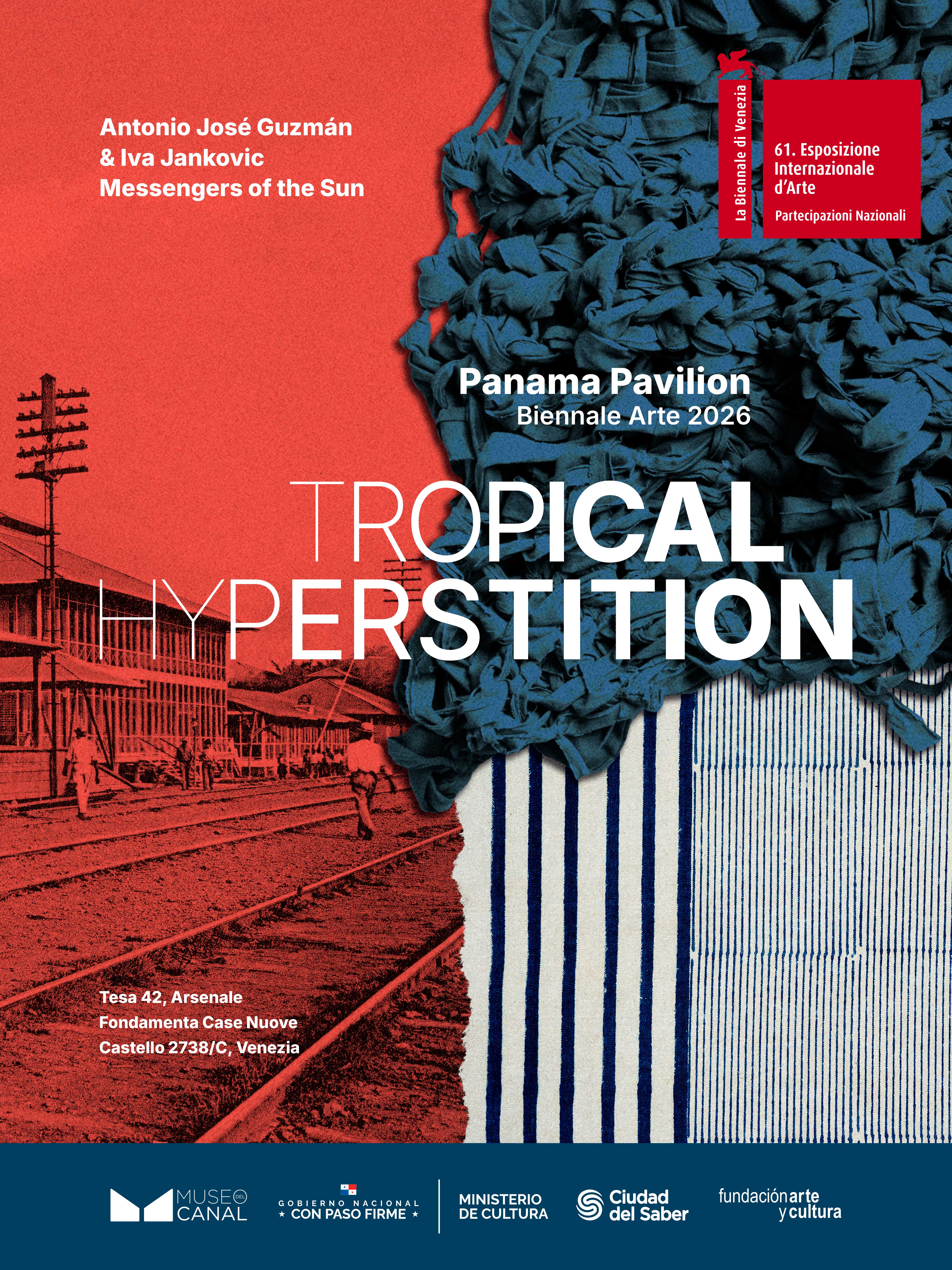
Tropical Hyperstition

Panama has been a territory shaped by imperial, strategic, and geographical forces that have molded its identity. At the heart of the country, a strip of land administered for nearly a century by a foreign power fractured the territory and the very notion of sovereignty, imposing boundaries that still resonate in the collective memory. From this history of control and surveillance, unique languages, forms of resistance, and singular ways of asserting oneself against the foreign emerged. The Pavilion of Panama proposes a space for reflection on this condition.In the face of hegemonic narratives and processes of cultural simplification, the works gathered in this pavilion activate hidden resonances, rewrite meanings, and rehearse new forms of belonging. From the tension between the imposed and the inherent, this project invites us to think of Panamanian identity as a territory in permanent translation and defense.

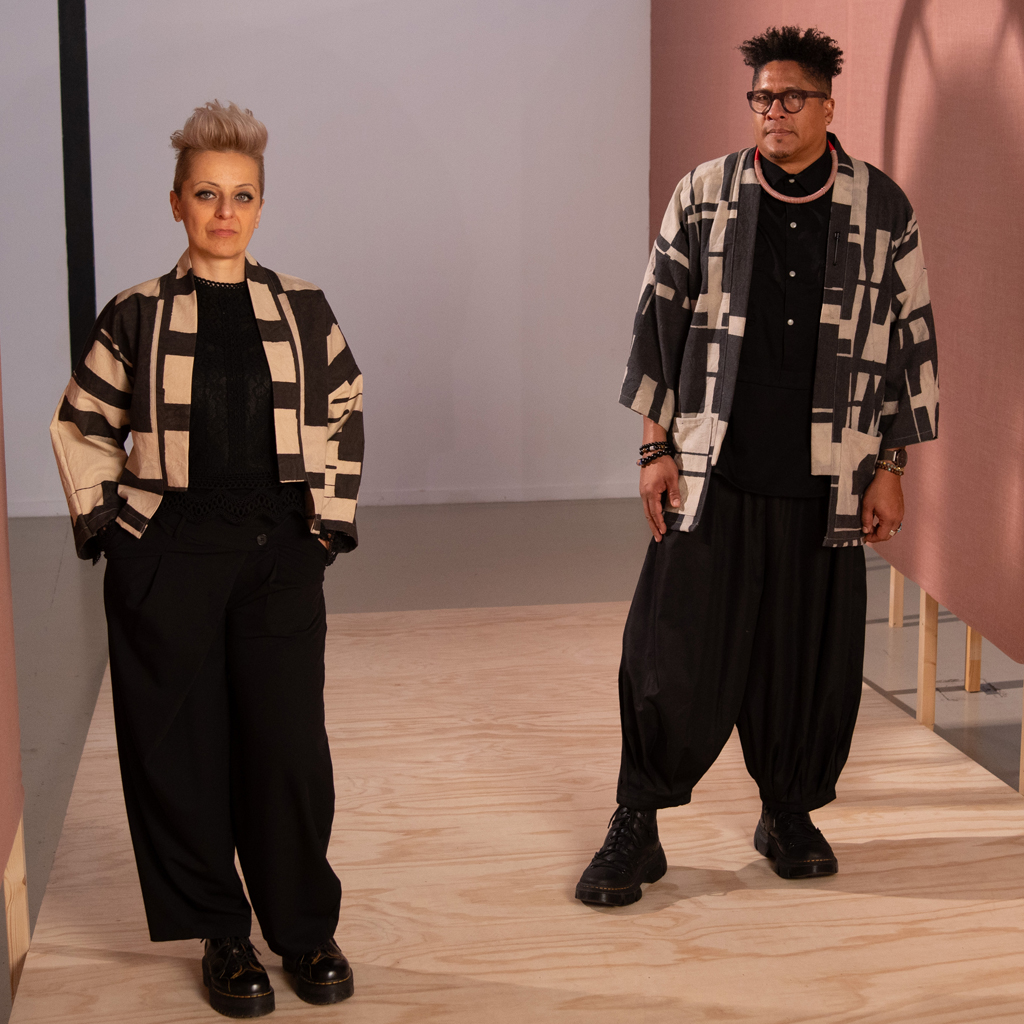
It is upon this conceptual foundation by curators Mónica Kupfer and Ana Elizabeth González that will be presented Tropical Hyperstition La muestra del artista panameño Antonio José Guzmán y su colaboradora Iva Jankovic, quienes conforman el dúo Los Mensajeros del Sol, sin duda será una magnífica oportunidad para Panamá de compartir con el mundo una representación sobresaliente de nuestro arte contemporáneo, abriendo puertas para muchos talentos, no sólo en las artes sino en las disciplinas que las estudian, enseñan y promueven. 

A National Project

MARÍA EUGENIA HERRERA
Ministra de Cultura - República de Panamá

Participate in the Venice Art Biennale consolidates Panama’s presence on the world’s most prominent platform for contemporary art. Our pavilion is a national initiative that brings together the public sector, cultural institutions, and the private sector to showcase Panamanian talent and strengthen our artistic ecosystem, always bearing in mind that art unites us and culture enriches us.

Commissioner

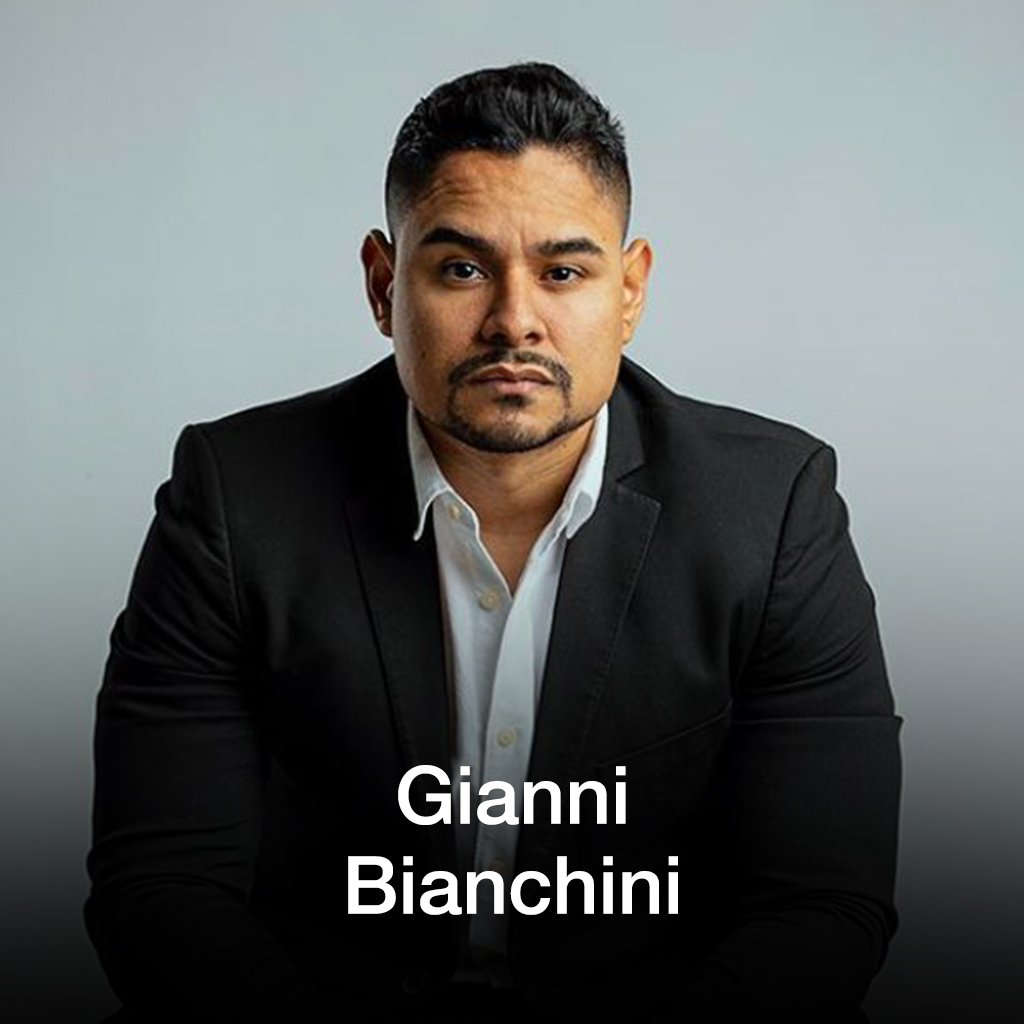
Gianni Bianchini
National Director of the Arts
Ministry of Culture
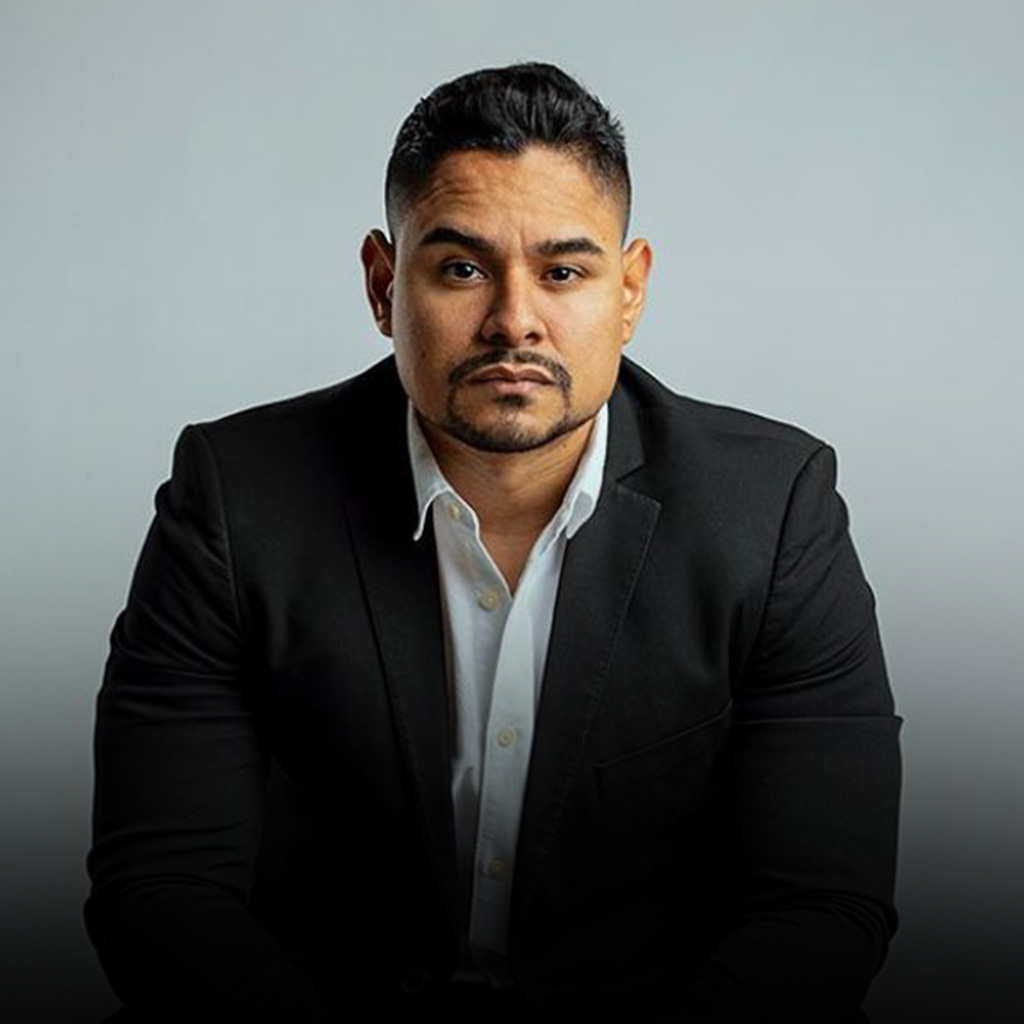
Gianni Bianchini Torres is the National Director of the Arts at the Ministry of Culture of Panama and serves as Commissioner of the Panama Pavilion at the 2026 Venice Art Biennale.

In his current role, he leads the development of strategic platforms aimed at strengthening the professional growth of Panamanian artists, both nationally and internationally. His work is driven by a commitment to democratizing access to culture through the promotion of diverse artistic expressions across the country. To this end, he has supported the creation of music, theatre, and literary festivals, as well as visual arts competitions designed for both emerging talents and established practitioners.

Alongside his work in cultural management, Bianchini Torres maintains a solid artistic career as a theatre and television actor, as well as a producer, screenwriter, and stage director. He has also distinguished himself as a creative director for digital campaigns and streaming platforms in Panama. streaming en Panamá.

Curators

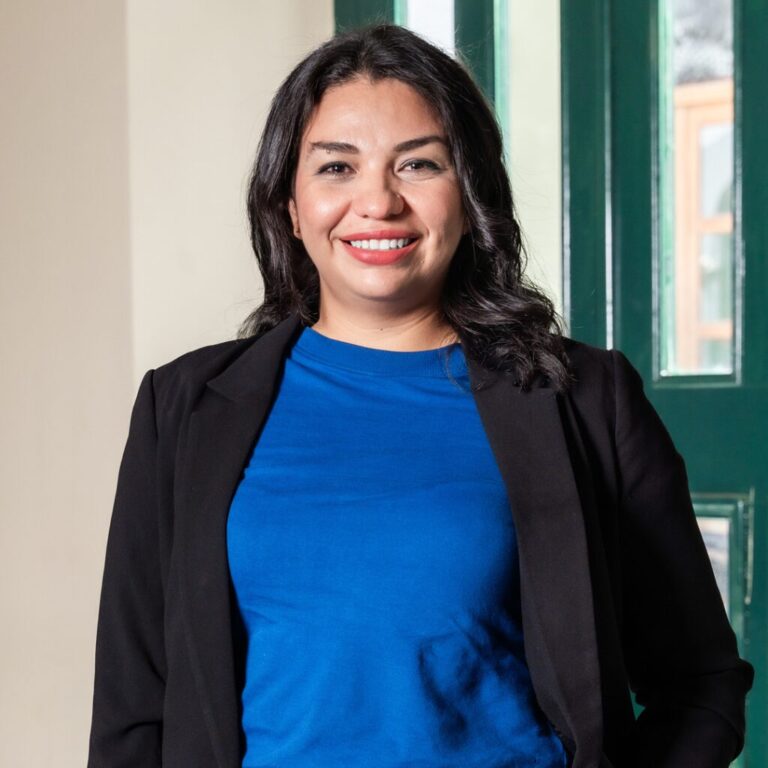
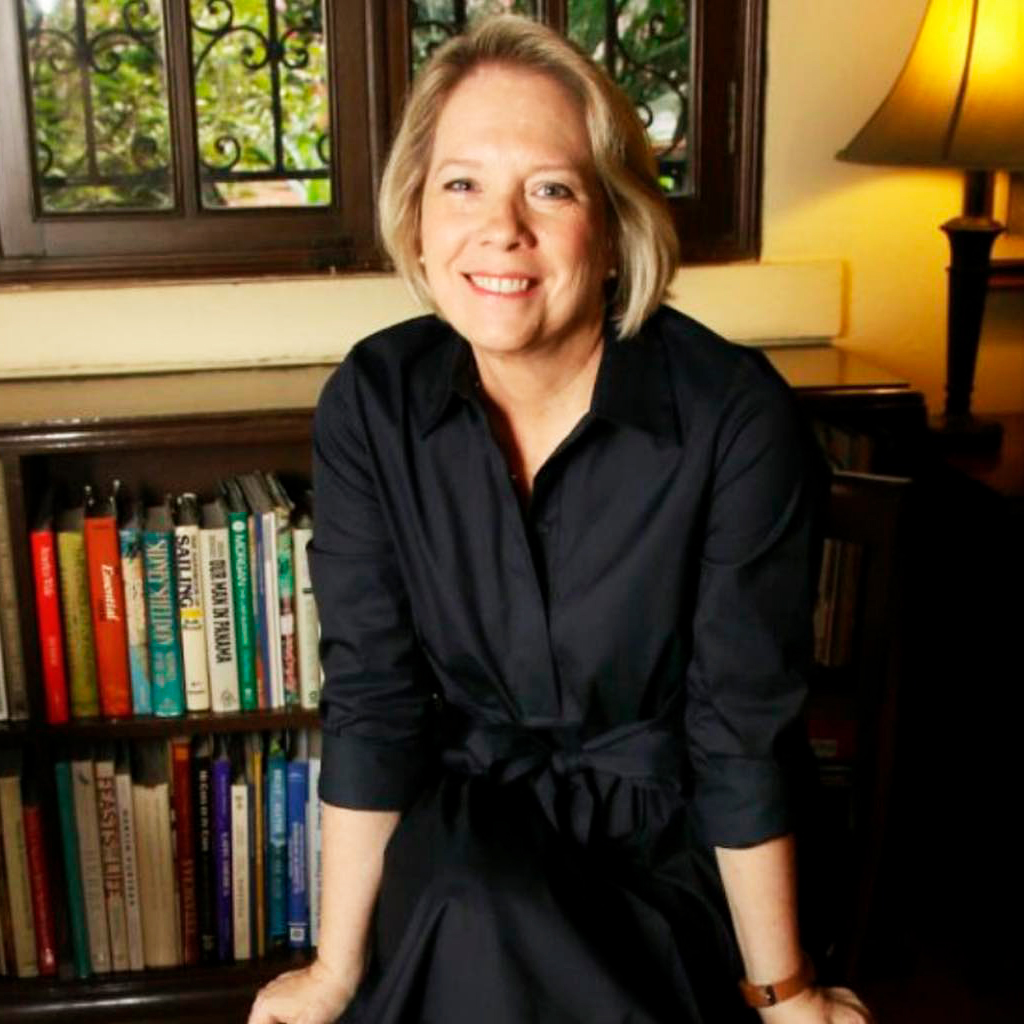
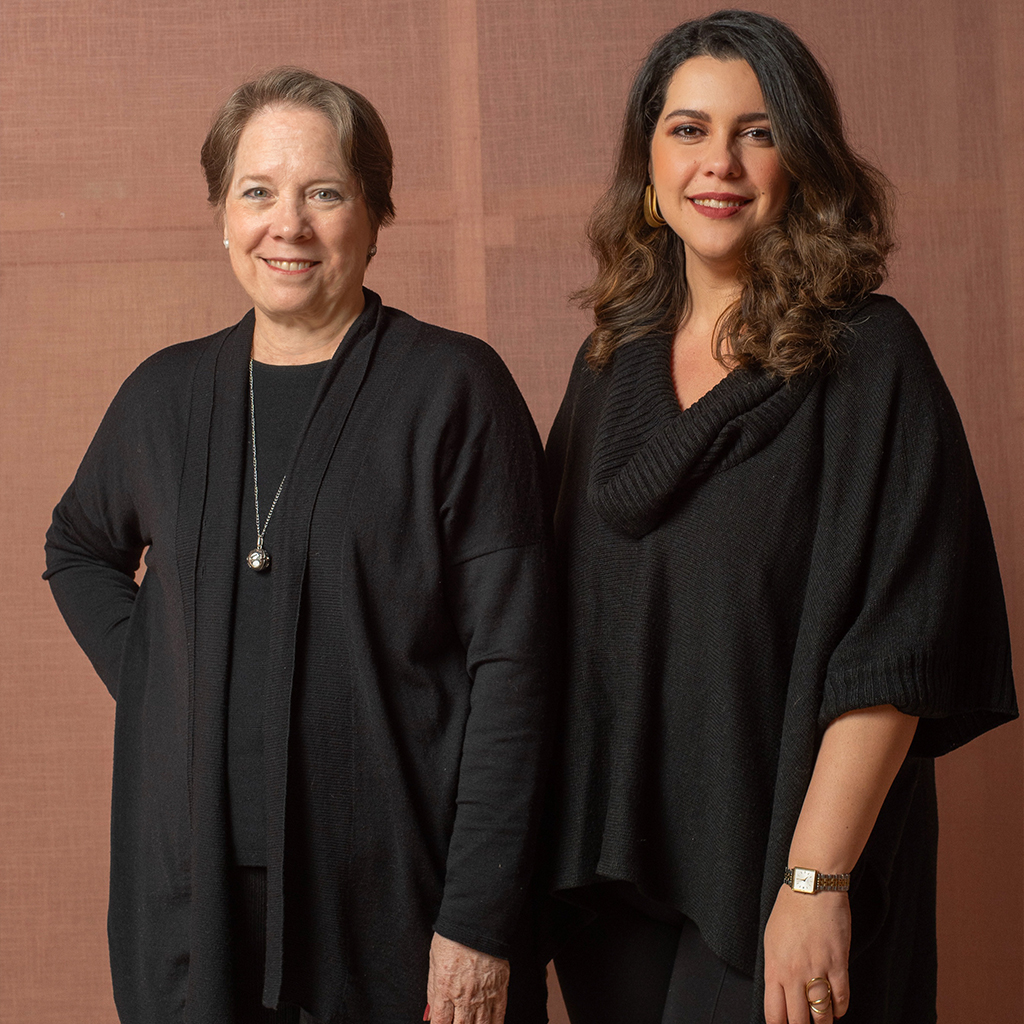
Ana Elizabeth González is Executive Director and Chief Curator of the Panama Canal Museum (Museo del Canal), where since 2020 she has led a far-reaching institutional renewal focused on diversifying historical narratives, expanding cultural access, and positioning the museum as a civic and curatorial platform for critical reflection. Under her leadership, the museum has deepened its engagement with contemporary art and developed initiatives such as FARO, its annual artist residency program, conceived as a space for research, experimentation, and dialogue among artists, collections, archives, and history.

In 2024, she was co-curator, alongside Mónica Kupfer, of the first Panama Pavilion at the Venice Biennale, and in 2026 she returns as co-curator of the country’s second national pavilion. Her work brings together heritage, contemporary art, and cultural management, with a particular interest in cultural institutions as spaces for knowledge production, memory, and public debate.

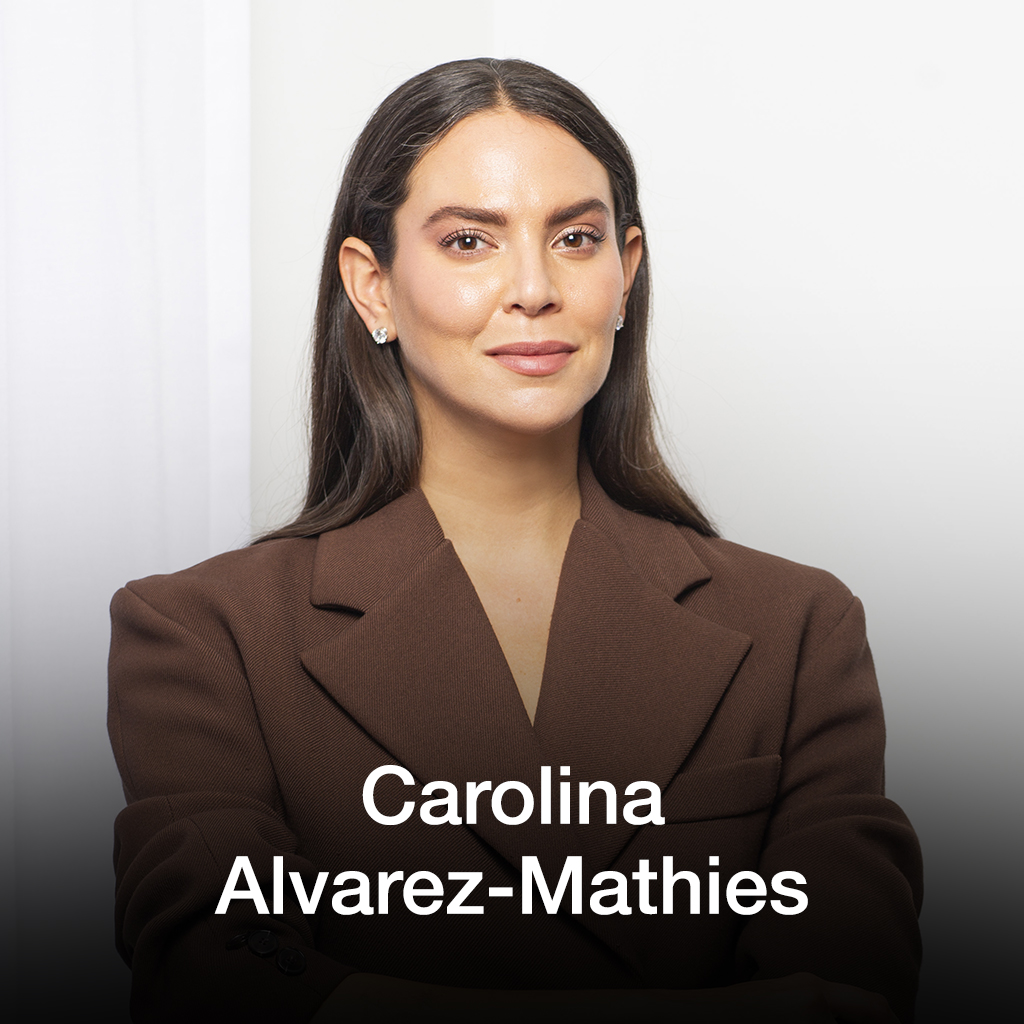
Mónica E. Kupfeer and Ana Elizabeth Gónzalez

Our Artists

Antonio José Guzmán and Iva Jankovic

The proposal selected for the Panama Pavilion 2026 was Hipertición Tropical  Antonio José Guzmán (Panama, 1971) and Iva Jankovic (Yugoslavia, 1979) bring together textiles, sound, and memory in a multidisciplinary approach that revisits the routes and imaginaries of the Black Atlantic—the hybrid, transnational culture emerging from the historical experience of the African diaspora. Working as a duo under the name Messengers of the Sun their sustained collaboration centers on indigo as a bearer of memory: a material steeped in the legacies of slavery, trade, and displacement, whose presence extends from dyed fabrics to Afro-Caribbean sonic traditions.


At Sufiyan Khatri’s Ajrakh block-printing workshop in Gujarat, India, textiles are created that unfold as layered surfaces of inscription, where West African Adinkra iconography, Mesoamerican motifs, and Afrofuturist patterns and imagery converge. The artists also draw on historical records and time-worn photographs to create collages and visual poems of shared memory, tracing connections across continents while revealing the lingering traces of colonial systems and global economic powers.

Committee

Luz Bonadies
Communications Directorate
Mariana Nuñez Haugland
Graphic Direction
Mirielle Robles
Exhibition team
Roman Flórez
Exhibition team

Jury

The international jury that evaluated the proposals to select the artist or artists who will represent Panama at the Venice Pavilion The jury was composed of six prominent arts professionals with extensive experience in curation, art criticism, cultural management, and the leadership of arts institutions. Each jury member independently evaluated the proposals, applying a rigorous rubric based on three main criteria: conceptual strength and coherence, the artist’s or collective’s track record, and the project’s feasibility and ability to be executed.
 

Location

Ruta Pabellón de Panamá - Versión Actualizada

Contact

Contact information

General Information

info@panamapavilion.org

International Press

Alfonso Cabello – Pickles PR | alfonso@picklespr.com
Tel: +34 68739405

PressKit

Donations

Anna Elena González | annagonzalez@museodelcanal.com
Jessica Núñez | jnunez@museodelcanal.com

Our social networks
X
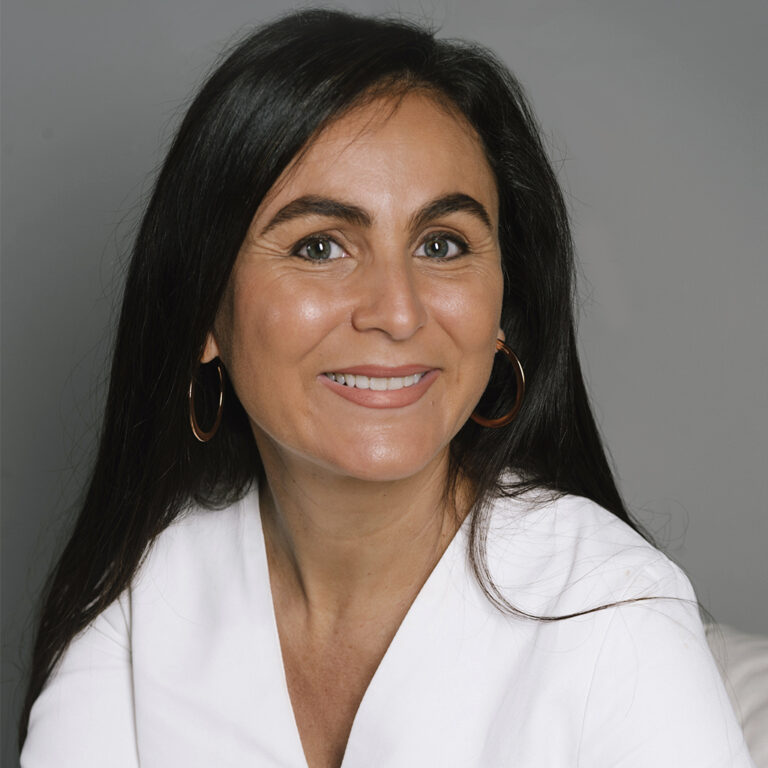
Luz Bonadies
Communications and Culture Manager
City of Knowledge Foundation Panama

Luz Bonadies is the Communications and Marketing Manager of the City of Knowledge Foundation. From 2017 to 2020, she was the Executive Director of the Museum of Contemporary Art, where she led a radical transformation of the institution. She has studies in Journalism, Social Communication and Marketing, as well as specializations in Project Management and Design Thinking for Innovation.

She was Director of Magazines at Grupo Epasa and National Director of Publications at the National Institute of Culture. She has excelled as a specialist in projects related to sustainable development and cultural management.

Mónica Kupfer, ph.D.
Curator and Director
Art and Culture Foundation of Panama

Mónica Kupfer is an art historian, exhibition curator and art critic. She holds a Ph.D. in Art History with a focus on Latin American art. She was the first curator of the Museum of Contemporary Art of Panama and founding director of the Panama Art Biennial, an event held from 1992 to 2008. Since 1999, she has directed the Fundación Arte & Cultura, which promotes Panamanian art locally and internationally.

Kupfer has distinguished herself as an author and editor, as well as speaker and judge in contemporary art events.

Ana Elizabeth González
Executive Director and Chief Curator
Panama Canal Museum

Ana Elizabeth González has been the Executive Director and Chief Curator of the Panama Canal Museum since 2020. She holds bachelor's degrees in Archaeology and Business Administration, as well as master's degrees in International Cultural Relations and Curatorial Studies.

González previously worked as the Cultural Attaché of Panama in the U.K. and as Program Manager of the London Mithraeum Bloomberg SPACE contemporary art gallery and historical museum.She also served as Executive Director of the FAOU Foundation for Japanese artist Mariko Mori.

Giana De Dier
Panamanian, 1980

Panamanian artist Giana De Dier explores the representation of the Afro-descendant population through drawings and collages that he builds with information and materials from historical archives, oral histories and family memories, as well as with photos she takes and the appropriation of old photographs. She focuses on representations of women of origin caribbean, putting together imaginary scenarios to commemorate the resilience of the West Indian migrants who arrived in the country for the construction of the canal and to bear witness to their contribution to the shaping of identity panameña.

De Dier estudió Artes Visuales en the University of Panama. After his first participation in a group show in 2009, and his first individual exhibition in 2014, he has exhibited on a dozen occasions atPanamá, Italy and the United States. In 2022, she was invited to the prestigious 58ª Carnegie International en Pittsburgh and in 2023, she was the winner of the first artist residency at el Panama Interoceanic Canal Museum.

Isabel De Obaldía
Panamanian born in Washington, D.C., 1957

Although she was initially trained in graphic design and cinematography, the much-admired Panamanian artist Isabel De Obaldía is known for her drawings, paintings, sculptures, and videos. She has exhibited over four decades in numerous solo exhibitions and group shows in Panama, Europe, and the United States.

In 1989, a time of political turmoil in Panama, she created memorable works of protests against the dictatorship. In the 90s, she discovered the practice of glass sculpture, a medium in which she has achieved recognition for her extraordinary large-scale pieces, usually of male figures, wild animals, torsos, and heads. She has been exhibiting with the Mary-Anne Martin Fine Art Fine Art Gallery in New York since 1997, and recently, in 2022, she was invited to the 58th Carnegie International, the world's second-oldest biennial. In both her two-dimensional and glass works De Obaldía expresses a remarkable concern for the natural world, as well as for human beings and their often-difficult sociopolitical circumstances.

Brooke Alfaro
Panameño, 1957

Brooke Alfaroo, One of Panama’s most prominent artists, Brooke Alfaro became known initially for his images of lifelike figures painted in a surrealist and irreverent tone, in works created with admirable academic skills

He had his first solo exhibition in 1979, which has been followed by countless exhibitions both in Panama and abroad. By 1990, his paintings --which often mocked religious or political themes-- became populated with agglomerations of human figures, usually in crammed boats, at sea, in jungles or other natural, often threatening, environments.

From the beginning of this century, Alfaro expanded his artistic endeavors to include the production of video works, which earned him multiple awards, including the first prize in the First Latin American Video Art Competition in Washington, D.C. in 2003. In addition to being an artist, Brooke Alfaro is a social and environmental activist, focusing primarily on education and ecology.

Cisco Merel
Panamanian, 1981

Cisco Merel's work reveals an interpretation of themes such as popular art, architecture, and social contrasts, in striking installations and abstract paintings of geometric shapes and intense colors, which he produces with the incorporation of clay, pigments and stainless steel. He studied Fine Arts in Panama and in international workshops and residencies in New York, Paris, and Leipzig. For more than ten years, he collaborated with the Carlos Cruz Diez Workshop in Panama City.

He has presented more than fifteen solo exhibitions in Panama and abroad since 2005. Merel creates paintings and sculptures, both small and large, for both private and public spaces, using a variety of materials ranging from canvas and wood to synthetic polymers. In his works, he manages to reinterpret everyday experiences through colors, shapes and sensations that generate reflections on the systems and social situations of our times.

Antonio José Guzmán - Iva Jankovic

The proposal selected for the Panama Pavilion 2026 was Hipertición Tropical  Antonio José Guzmán (Panama, 1971) and Iva Jankovic (Yugoslavia, 1979) bring together textiles, sound, and memory in a multidisciplinary approach that revisits the routes and imaginaries of the Black Atlantic—the hybrid, transnational culture emerging from the historical experience of the African diaspora. Working as a duo under the name Messengers of the Sun their sustained collaboration centers on indigo as a bearer of memory: a material steeped in the legacies of slavery, trade, and displacement, whose presence extends from dyed fabrics to Afro-Caribbean sonic traditions.

At Sufiyan Khatri’s Ajrakh block-printing workshop in Gujarat, India, textiles are created that unfold as layered surfaces of inscription, where West African Adinkra iconography, Mesoamerican motifs, and Afrofuturist patterns and imagery converge. The artists also draw on historical records and time-worn photographs to create collages and visual poems of shared memory, tracing connections across continents while revealing the lingering traces of colonial systems and global economic powers.

Drawing on archival research and sonic resonances, the artists explore how songs of resistance—rooted in the lived histories of African diaspora and Indigenous communities—persist and evolve over time, finding new expression in musical forms such as dub.

Beyond the realm of textiles, her work takes shape through installation and performance, creating immersive environments that invite reflection on movement, resilience, and cultural continuity, while prompting a reevaluation of boundaries through the experience of intertwined diasporas.
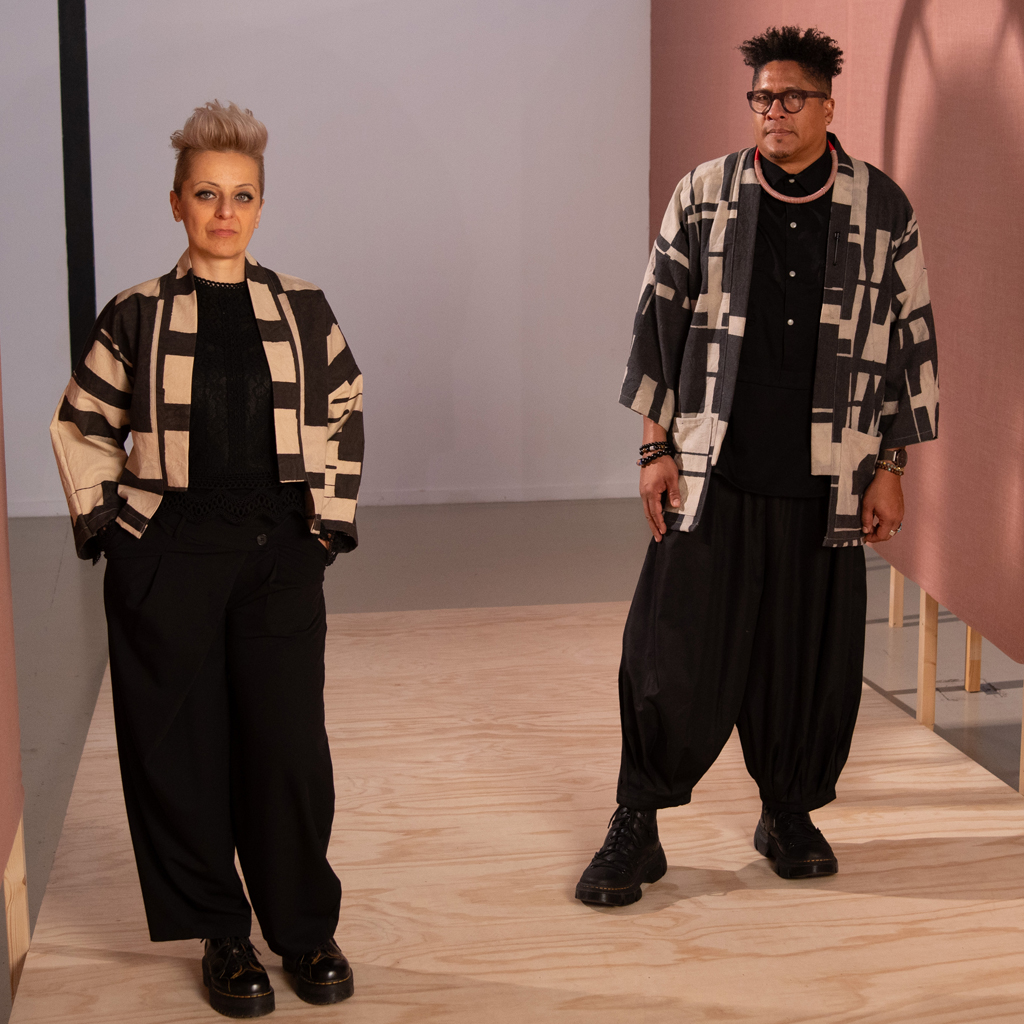
 

Ana Elizabeth González y Mónica E. Kupfer, PhD

Ana Elizabeth González is Executive Director and Chief Curator of the Panama Canal Museum (Museo del Canal), where since 2020 she has led a far-reaching institutional renewal focused on diversifying historical narratives, expanding cultural access, and positioning the museum as a civic and curatorial platform for critical reflection. Under her leadership, the museum has deepened its engagement with contemporary art and developed initiatives such as FARO, its annual artist residency program, conceived as a space for research, experimentation, and dialogue among artists, collections, archives, and history.

In 2024, she was co-curator, alongside Mónica Kupfer, of the first Panama Pavilion at the Venice Biennale, and in 2026 she returns as co-curator of the country’s second national pavilion. Her work brings together heritage, contemporary art, and cultural management, with a particular interest in cultural institutions as spaces for knowledge production, memory, and public debate.

Previously, she worked in cultural diplomacy as Cultural Attaché at the Embassy of Panama in the United Kingdom, and in the private sector in philanthropy and sustainability at Bloomberg, where she oversaw the company’s art gallery and archaeological site. She later directed the FAOU Foundation in London. Trained as an archaeologist, she has also pursued studies in curating, the illicit trafficking of cultural property, and cultural management in the United Kingdom and Spain. She currently serves as President of ICOM Panama and Vice President of the Museums Association of the Caribbean.

Mónica E. Kupfer, PhD, es historiadora del arte, curadora y autora, especializada en arte moderno y contemporáneo latinoamericano. Fue la primera curadora del Museo de Arte Contemporáneo de Panamá y actualmente forma parte de su Consejo Asesor. Fue cofundadora y directora de la Bienal de Arte de Panamá, celebrada en ocho ediciones entre 1992 y 2008. Desde 1999 se desempeña como directora de la Fundación Arte y Cultura.

Kupfer ha sido curadora invitada de exposiciones internacionales y ha representado a Panamá en bienales como las de Cuenca, Lima y la Bienal del Caribe, además de haber participado como jurado en importantes eventos de arte en Centroamérica, Ecuador, Venezuela y Panamá. En 2024 y 2026 fue co-curadora, junto a Ana Elizabeth González, del primer y segundo Pabellón Nacional de Panamá en la Bienal de Arte de Venecia.

Desde la década de 1980, Kupfer ha publicado numerosos ensayos para catálogos de exposiciones y artículos en revistas internacionales de arte. Entre sus libros se encuentran estudios monográficos sobre los artistas Juan Carlos Marcos, Sandra Eleta y Coqui Calderón, así como la sección centroamericana de Twentieth-Century Latin American Art, publicada por Phaidon Press. Fue editora de Mujeres en las artes de Panamá en el siglo XX, volumen que documenta el trabajo creativo de más de 500 mujeres, y autora de 105 artistas de Panamá en la colección del Museo de Arte Contemporáneo, publicado en 2025. 


Ana Elizabeth González y Mónica E. Kupfer, PhD

Ana Elizabeth González is Executive Director and Chief Curator of the Panama Canal Museum (Museo del Canal), where since 2020 she has led a far-reaching institutional renewal focused on diversifying historical narratives, expanding cultural access, and positioning the museum as a civic and curatorial platform for critical reflection. Under her leadership, the museum has deepened its engagement with contemporary art and developed initiatives such as FARO, its annual artist residency program, conceived as a space for research, experimentation, and dialogue among artists, collections, archives, and history.

In 2024, she was co-curator, alongside Mónica Kupfer, of the first Panama Pavilion at the Venice Biennale, and in 2026 she returns as co-curator of the country’s second national pavilion. Her work brings together heritage, contemporary art, and cultural management, with a particular interest in cultural institutions as spaces for knowledge production, memory, and public debate.

Previously, she worked in cultural diplomacy as Cultural Attaché at the Embassy of Panama in the United Kingdom, and in the private sector in philanthropy and sustainability at Bloomberg, where she oversaw the company’s art gallery and archaeological site. She later directed the FAOU Foundation in London. Trained as an archaeologist, she has also pursued studies in curating, the illicit trafficking of cultural property, and cultural management in the United Kingdom and Spain. She currently serves as President of ICOM Panama and Vice President of the Museums Association of the Caribbean.

Mónica E. Kupfer, PhD, es historiadora del arte, curadora y autora, especializada en arte moderno y contemporáneo latinoamericano. Fue la primera curadora del Museo de Arte Contemporáneo de Panamá y actualmente forma parte de su Consejo Asesor. Fue cofundadora y directora de la Bienal de Arte de Panamá, celebrada en ocho ediciones entre 1992 y 2008. Desde 1999 se desempeña como directora de la Fundación Arte y Cultura.

Kupfer ha sido curadora invitada de exposiciones internacionales y ha representado a Panamá en bienales como las de Cuenca, Lima y la Bienal del Caribe, además de haber participado como jurado en importantes eventos de arte en Centroamérica, Ecuador, Venezuela y Panamá. En 2024 y 2026 fue co-curadora, junto a Ana Elizabeth González, del primer y segundo Pabellón Nacional de Panamá en la Bienal de Arte de Venecia.

Desde la década de 1980, Kupfer ha publicado numerosos ensayos para catálogos de exposiciones y artículos en revistas internacionales de arte. Entre sus libros se encuentran estudios monográficos sobre los artistas Juan Carlos Marcos, Sandra Eleta y Coqui Calderón, así como la sección centroamericana de Twentieth-Century Latin American Art, publicada por Phaidon Press. Fue editora de Mujeres en las artes de Panamá en el siglo XX, volumen que documenta el trabajo creativo de más de 500 mujeres, y autora de 105 artistas de Panamá en la colección del Museo de Arte Contemporáneo, publicado en 2025. 


HIPERSTICIÓN TROPICAL

The Panama Pavilion at the 61st Venice Biennale presents Tropical Hyperstition, an installation and performance by the duo Mensajeros del Sol, composed of Antonio José Guzmán and Iva Jankovic. The work evokes fragmented memories of communities displaced as a result of the construction of the Panama Canal and the establishment of a territorial enclave that would be administered for decades by a foreign power. 

Panama has long been a territory shaped by imperial and strategic interests. In the early 20th century, this situation was cemented by the creation of the Canal Zone: a ten-mile-wide strip governed by the United States to establish logistical and military control over the waterway. For nearly a century, this colonial enclave functioned as a country within a country, imposing a border that reorganized daily life, restricted freedoms, and created a parallel existence marked by segregation and control. 

Esta cartografía de poder produjo desalojos forzosos y el reasentamiento de pueblos completos, con familias, gobiernos locales, comercios, y prácticas culturales profundamente arraigadas. En nombre del progreso, decenas de miles de personas fueron expulsadas, eliminando sus poblaciones del mapa y, de forma progresiva, de la memoria nacional. Estos asentamientos, hoy recordados como “pueblos perdidos”, revelan la remoción deliberada de paisajes humanos cuya presencia desafiaba la narrativa triunfalista del Canal como obra civilizatoria en un territorio supuestamente indómito. 

Tropical Hyperstition At its center hangs a twenty-meter-long hammock, handwoven from indigo-dyed fabric. Its origins trace back to the traditions of the indigenous peoples of the Americas, evoking interpretations shared across diverse cultures in which rest, sleep, and the elevation of the body above the ground are associated with ideas of protection and the cycles of time and life. At the same time, the hammock was part of the domestic material culture of the workers who came from the Caribbean to Panama for the construction of the Canal. In the installation, the enormous woven hammock symbolizes refuge, support, and home. It brings together overlapping memories—indigenous, Afro-Caribbean, Panamanian—to evoke those who were uprooted. 

El azul índigo domina la instalación, envolviendo al visitante, conectando intimidad y paisaje, descanso y extracción, refugio y violencia histórica. Presente en los textiles con los que trabajan Guzmán y Jankovic desde hace más de una década, constituye un elemento ligado a economías coloniales, trabajo forzado y jerarquías raciales. En Hiperstición Tropical, los artistas utilizan combinaciones de telas impresas para componer collages con ilustraciones y fotografías de archivo de los pueblos perdidos y sus pobladores, como vestigios espectrales de realidades erradicadas. Entretejen imágenes con las impresiones de patrones derivados de secuencias de ADN de Guzmán, diseños indígenas y símbolos de tradiciones ancestrales.  

El pabellón nos sumerge en un ambiente sonoro que articula registros de agua y naturaleza, voces humanas y el ruido de la maquinaria propia de los grandes proyectos de ingeniería. Estos sonidos se entrelazan con ritmos caribeños, entendidos como formas de supervivencia cultural codificada que han permitido la persistencia de memorias y rituales. Sus cadencias acompañan nuestra experiencia de las huellas del desplazamiento y la experiencia de pertenencia fragmentada. Una diáspora con raíces que se fusionan y reflejan la experiencia del desalojo, la nostalgia y la identidad. 

*Hiperstición: una ficción que, al ser reiterada, modifica la realidad tanto en el recuerdo como en su proyección hacia el futuro. 

**Tropical: la construcción histórica del trópico dentro del imaginario colonial.