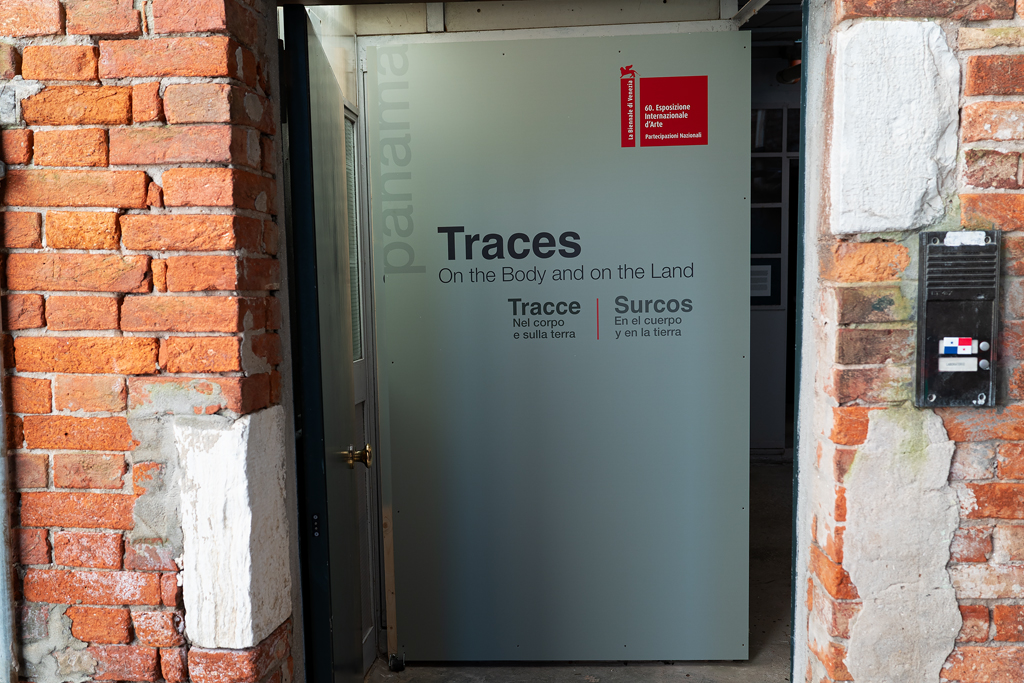
Traces. On the Body and on the Land.

Panama’s inaugural national pavilion at the

60. Esposizione Internazionale d’Arte de La Biennale di Venezia

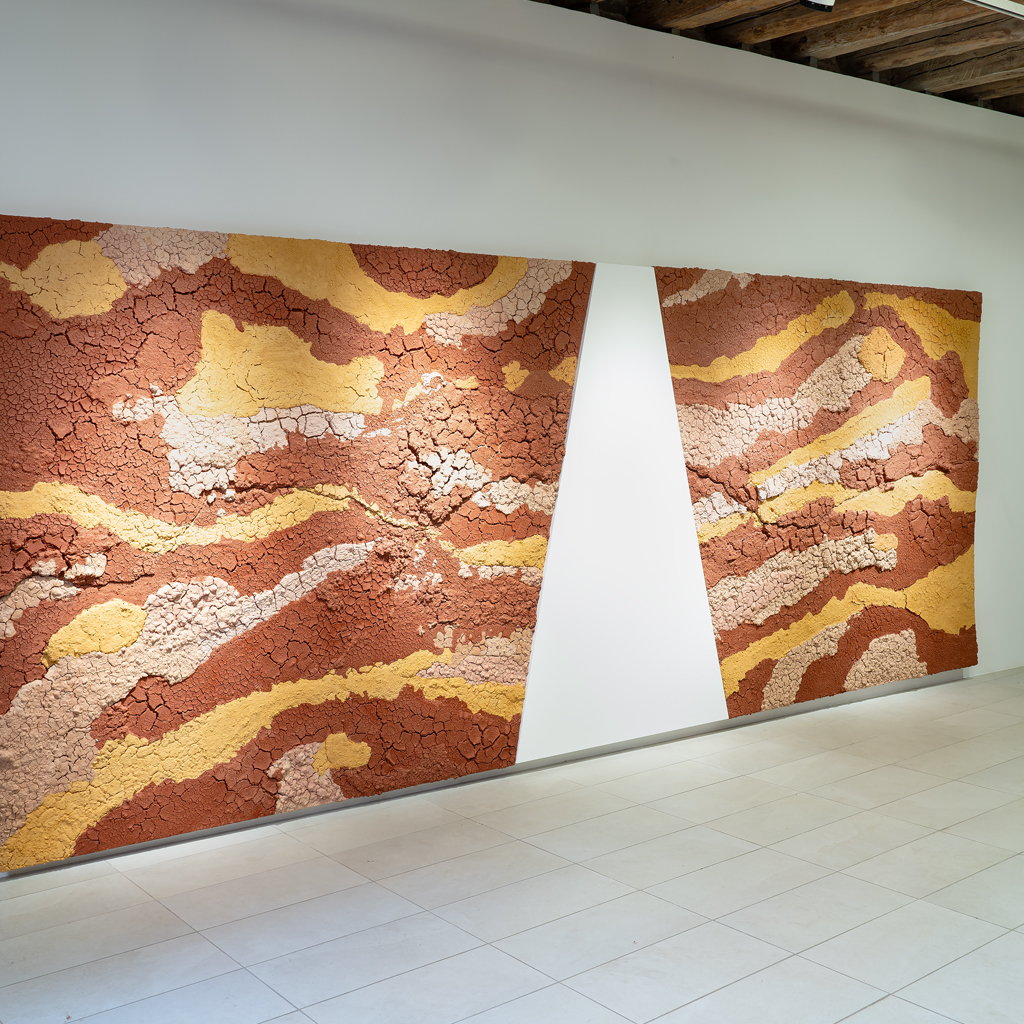
Mirages of the Gap

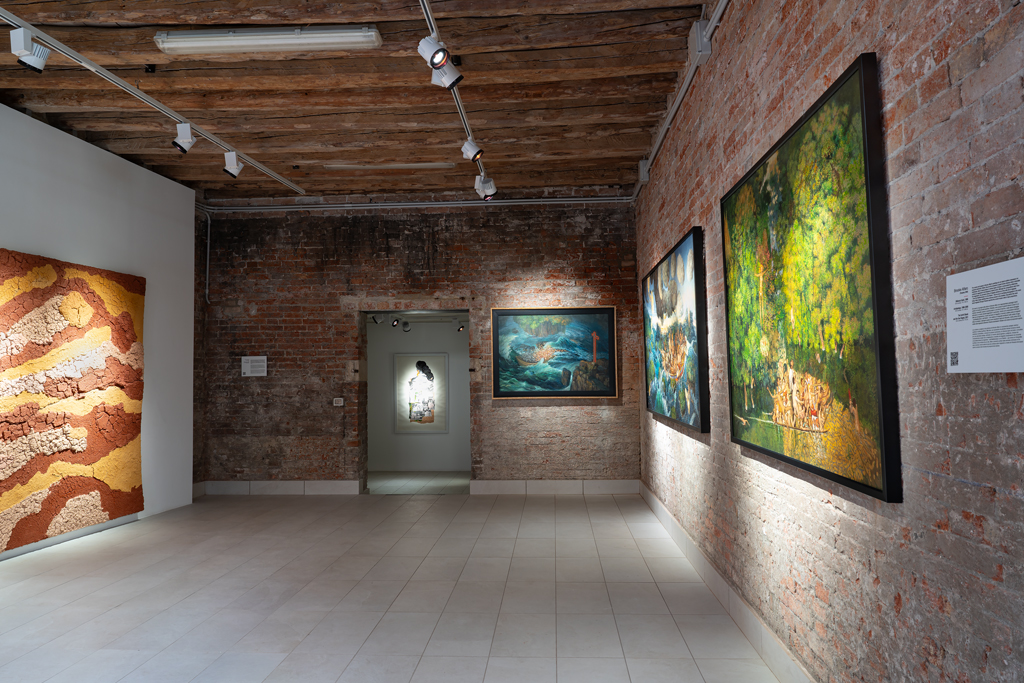
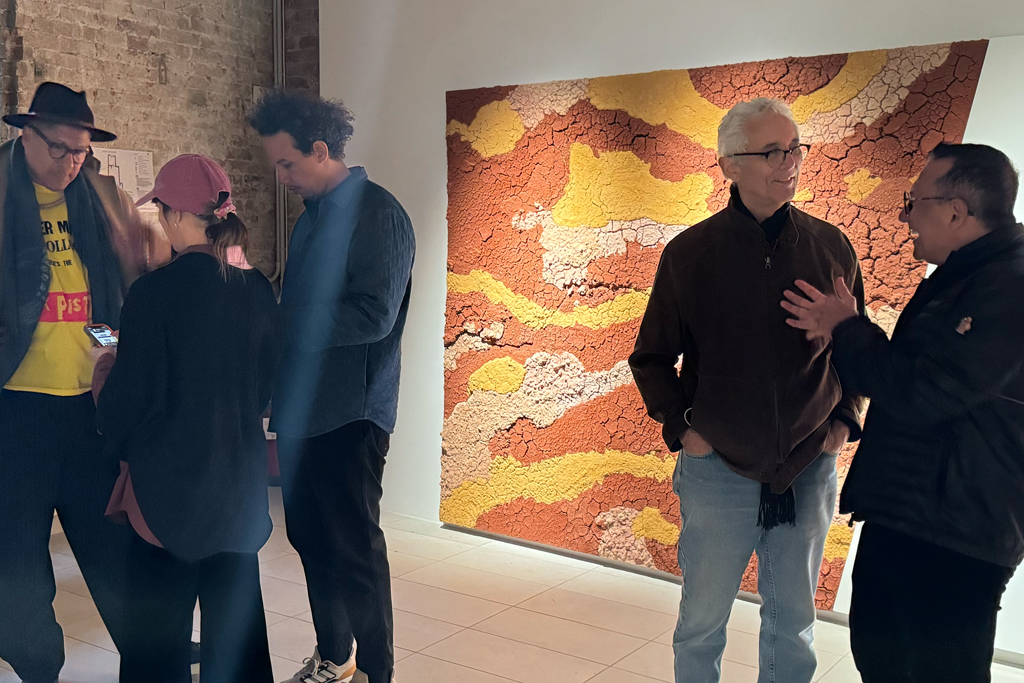
The artwork Mirages of the Gap provides a metaphorical exploration of the journey migrants make through the thick and roadless rainforest known as the Darien Gap. Based on two large abstract structures in which paint and pigment have been replaced by layers of mud, the rough textures of the multicolored soil that the artist gathered in situ symbolize the arduousness of the earthy trails that human beings have carved through the jungle.

Read more

The structures converge on a central white wedge an ascending triangle suggestive of a passageway with an unknown climax. The work emerges as an expression of awareness regarding both the collective journey and an individual sense of yearning, offering a visual and poetic testament to courage, resilience, and hope, encapsulating encapsulating the essence of the human struggle for a better future and a more dignified way of life. the essence of the human struggle for a better future and a more dignified way of life.


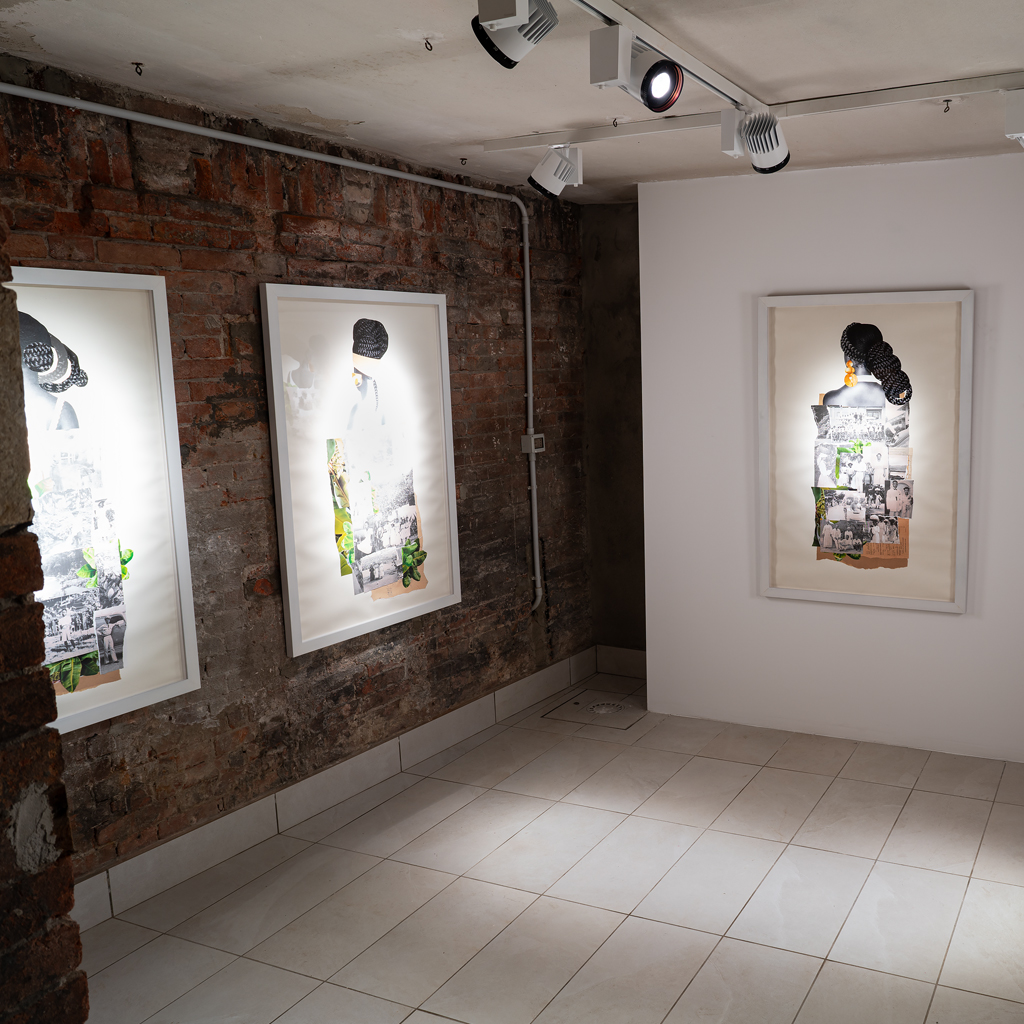
Todo lo que es noble y verdadero

The massive migration of Afro-Caribbean men and women in the early twentieth century for the construction of the Panama Canal brought about a profound transformation in Panama and its demographic makeup. The migratory waves not only etched an enduring mark on the nation’s history and ejercieron una influencia significativa en su diversidad cultural. Para aquellos que se atrevieron a aventurarse y trasladarse, el cuerpo migrante se convirtió en un repositorio de crónicas y recuerdos,mientras que los individuos

Read more

lucharon con el desafío de decidir qué llevar consigo y qué dejar atrás.La pregunta central se convierte en un dilema conmovedor: ¿cómo conciliar el deseo de preservar la propia identidad con la necesidad apremiante de asimilarse para sobrevivir? A través del collage, De Dier logra una meticulosa recopilación de material de archivo, documentos familiares e historias orales, entretejiéndolos en nuevas narrativas que iluminan la experiencia de los migrantes.

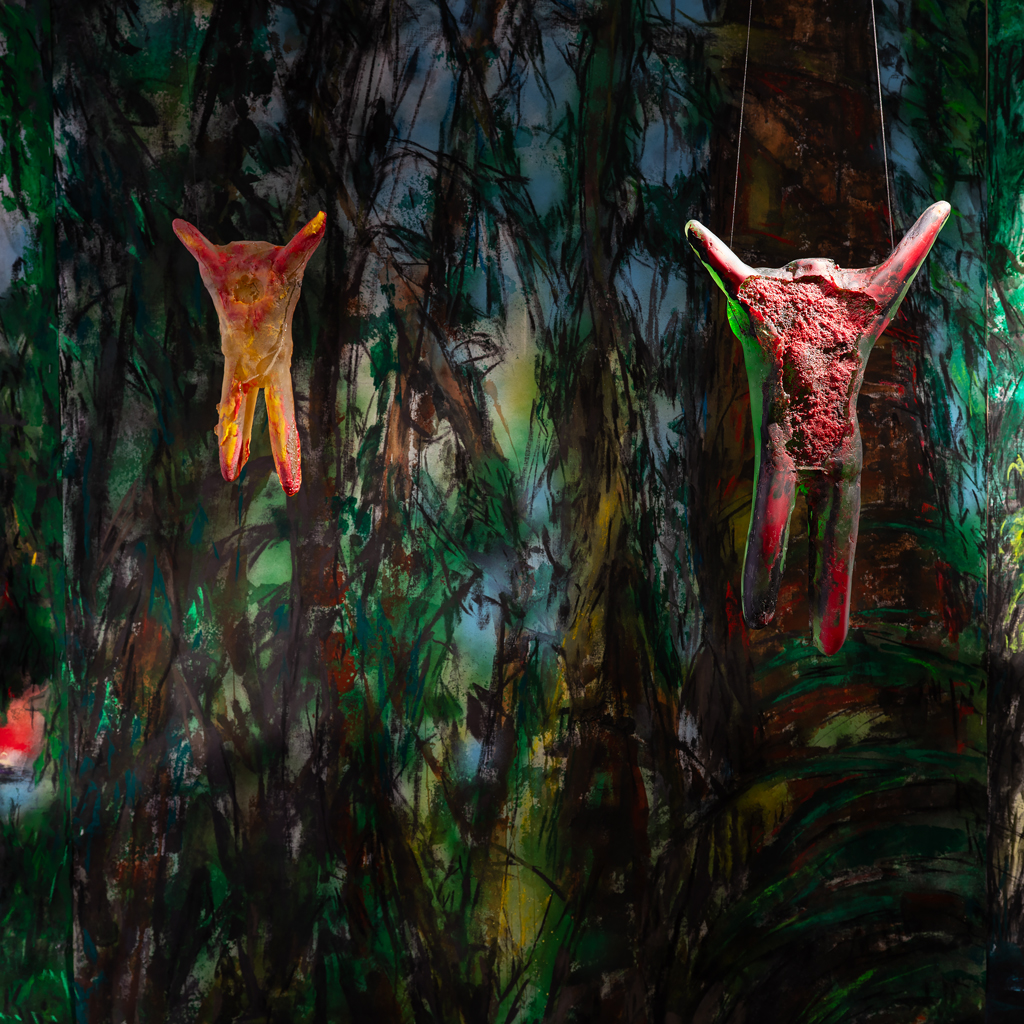
Selva

Inside the installation entitled “Selva”, visitors find themselves surrounded by a series of monumental drawings. With loose and expressive strokes, De Obaldía offers an immersion into the jungle known as the “Darien Gap.” Roots surrounded by ferns, palms intertwined with vines, rivers, and waterfalls, confront the observer directly Glass sculptures display dramatic colors and shapes with carved and richly textured surfaces y de ricas texturas that generate luminous effects.

Read more

Algunas evocan la vegetación, mientras que otras parecen seres humanos heridos, maltratados o atrapados. El componente auditivo de la instalación envuelve a los espectadores con sonidos de animales, agua y viento, así como pisadas y voces humanas.

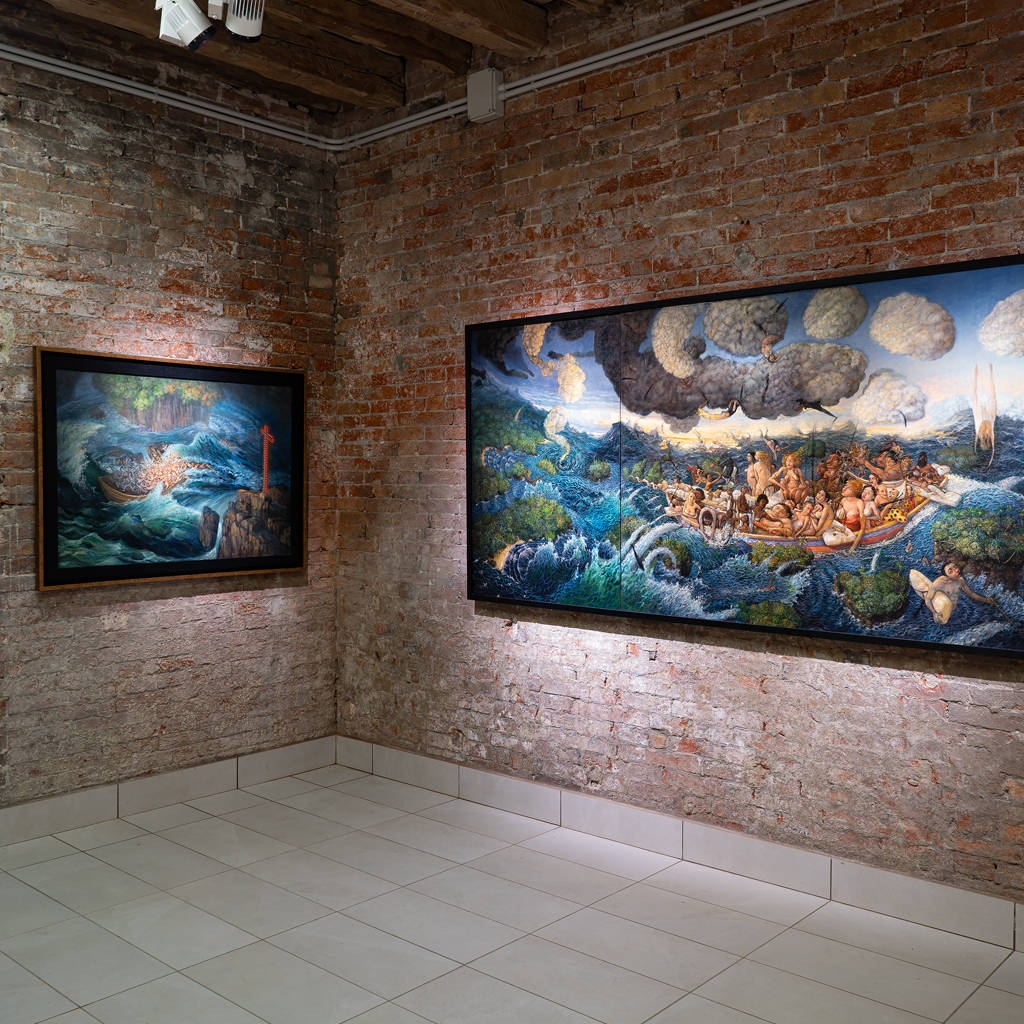
Obras seleccionadas

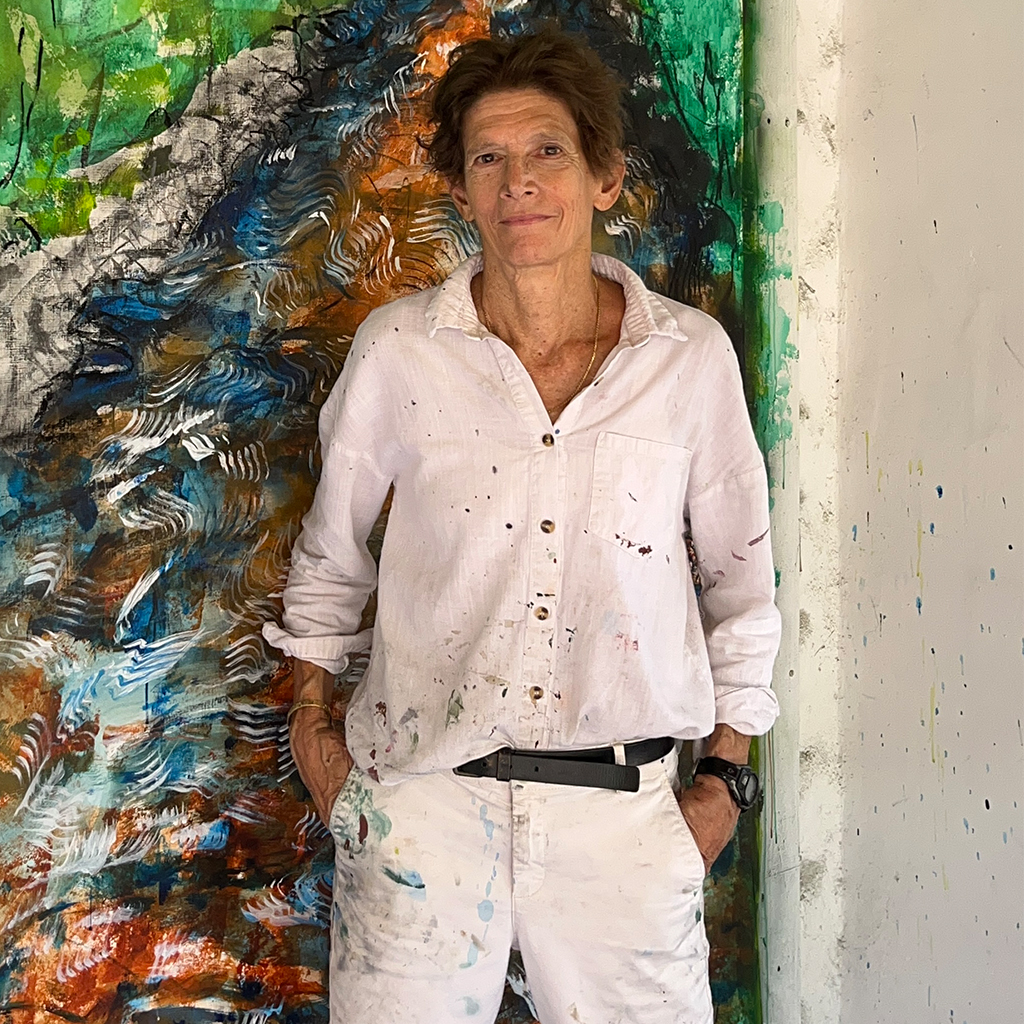
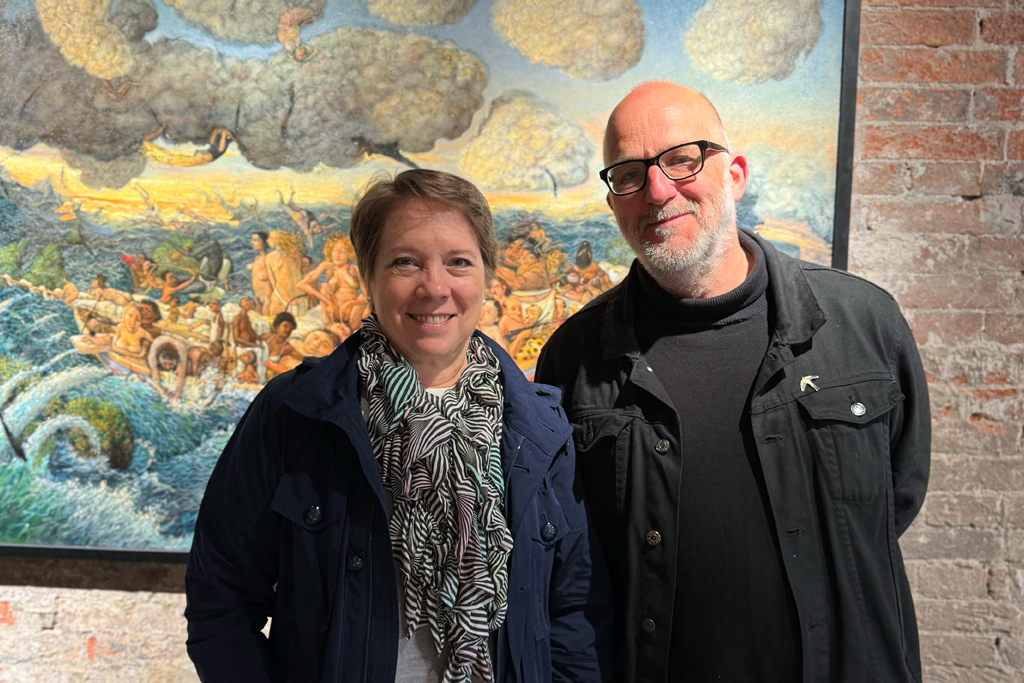
The oceans and jungles in Brooke Alfaro’s paintings do not depict sublime seascapes nor peaceful rainforests. Rather, they are the scenarios of great human dramas where vulnerable individuals, often in large groups, in various types of boats or surrounded by wilderness, confront an aggressive and dangerous natural world. Although the compositions stem from his imagination, the pervasive sense of tragedy reminds us of the rafts full of migrants from the Mediterranean or in the Darien

Read more

that we see in the news today. Alfaro began painting these ominous scenes in the nineties, long before the news about migration through Panama reported the current human crisis of epic proportions.

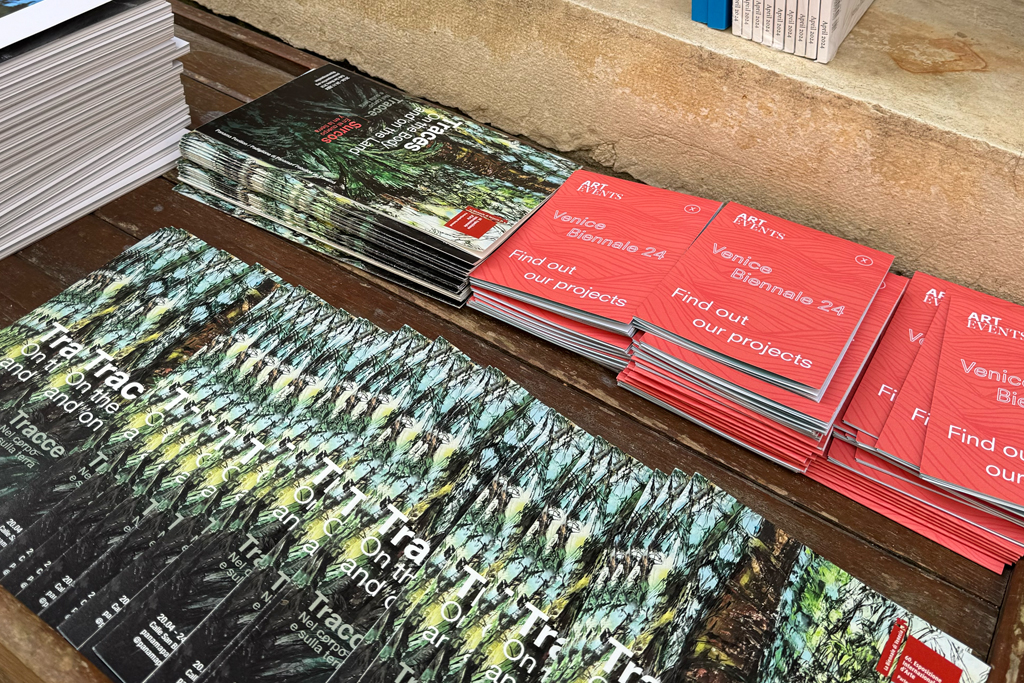
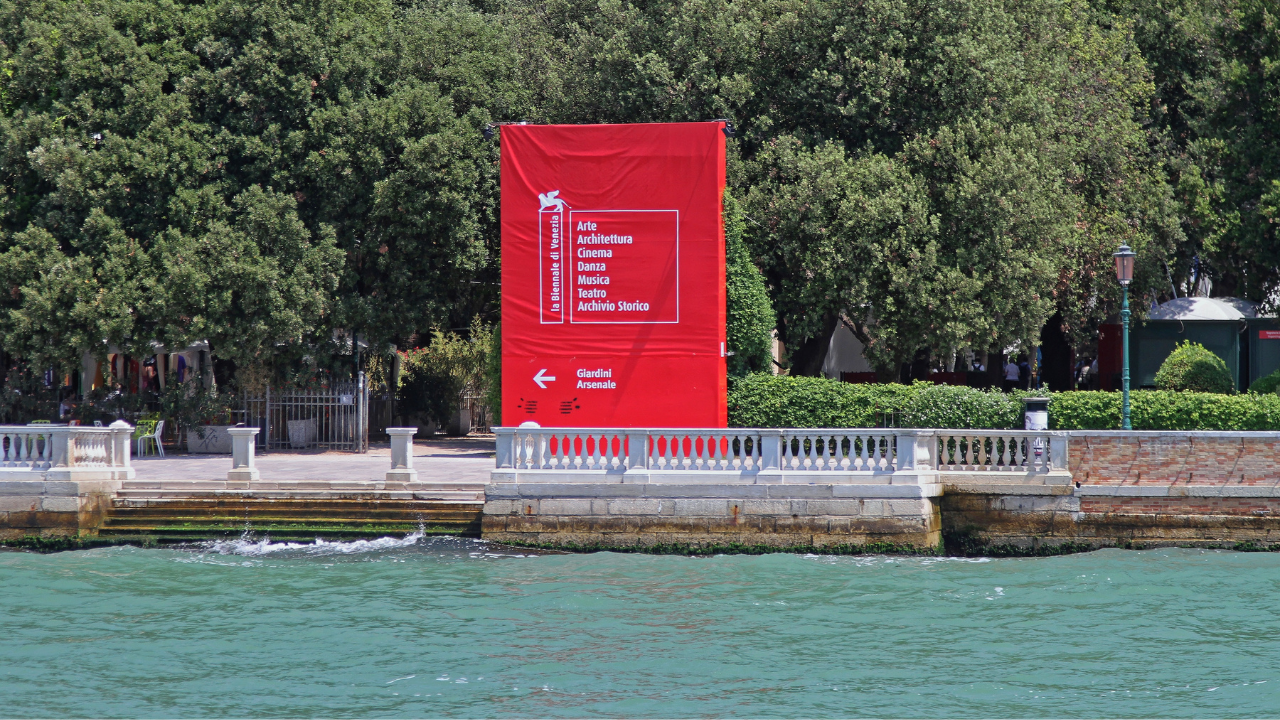
The Panama Pavilion at the 2024 Venice Art Biennale arises as a profound reflection on the enduring traces that migration leaves on individuals and their surroundings. Entitled “Traces: On the Body and on the Land,” this exhibition echoes the current migration crisis with a particular focus on the Panamanian context, interpreted by four artists through drawings, paintings, collages, glass sculptures, and installations

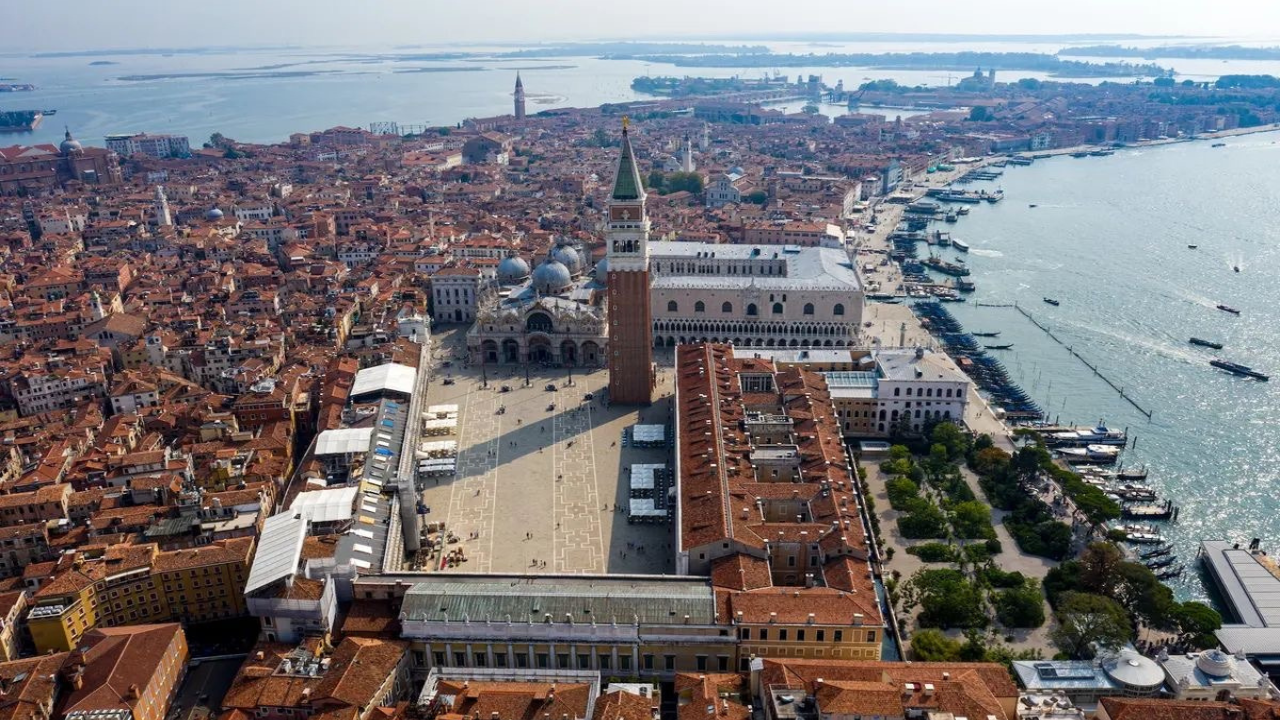
La Biennale di Venezia

The 60th edition of the The Venice Biennale will inaugurate in April 2024 and run for eightmonths, during which more that 800,000 people will visit the different pavilions.


An event without precedent

For the first time ever, there will be a Panama Pavilion at the prestigious Venice Art Biennale. This unique opportunity features four outstanding Panamanian artists who epitomize the best of our contemporary art. 

It is an exceptional opportunity  for Panama to present itself on the most famous international  renowned at the level of art and culture to showcase the best of our country, opening doors for many talents not only in the arts but in the disciplines that study, teach and promote it. 

Commissioner

Itzela Quirós
Assistant Manager
National Direction of Cultural Heritage
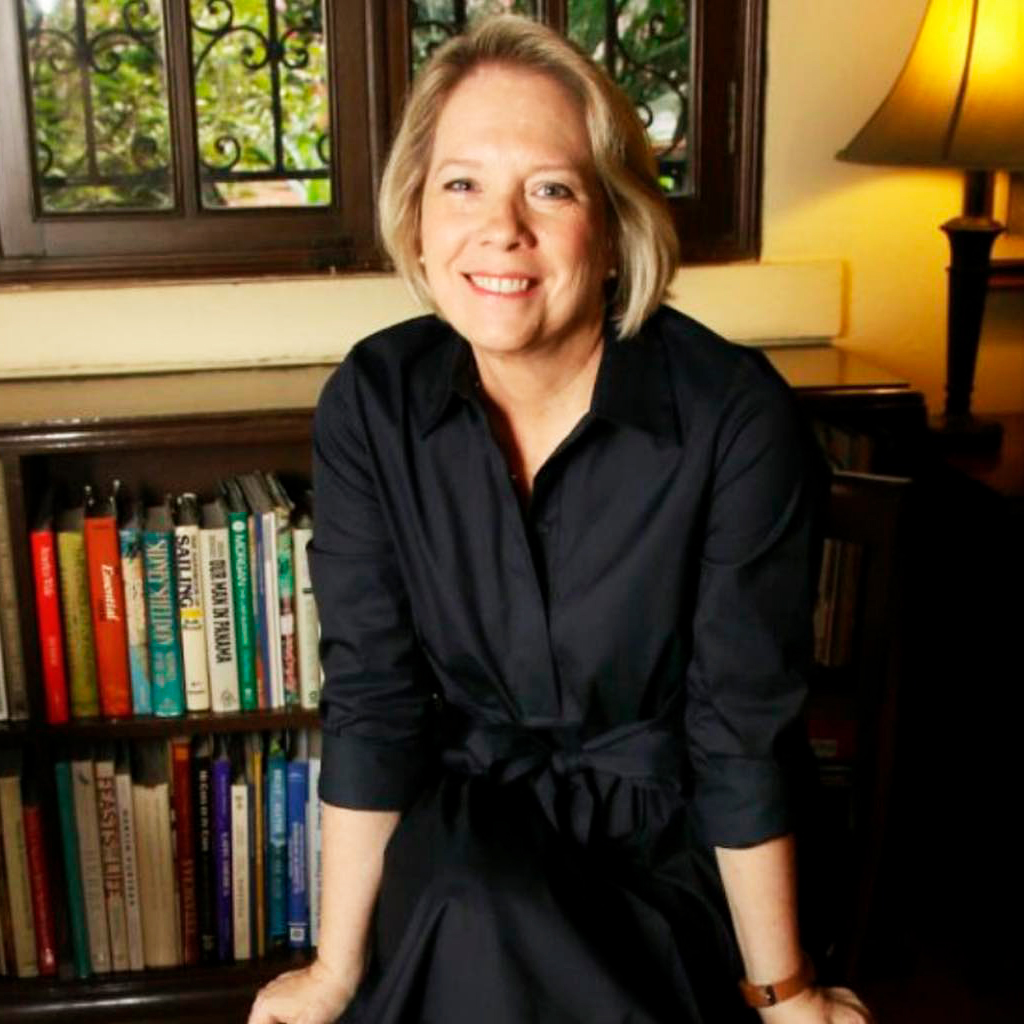
Itzela Quirós is a Professor of History of Art and Architecture. She received her BS in Architecture with an emphasis on built heritage intervention and an MA in Preservation Projects Management from Politecnico di Milano. She is a PhD candidate in Architecture at the National University of Colombia. Since 2009 she is active as a preservation Architect for the Ministry of Culture of Panama and has been appointed National Deputy Director of Cultural Heritage and National Director of Museums

Curatorial Committee

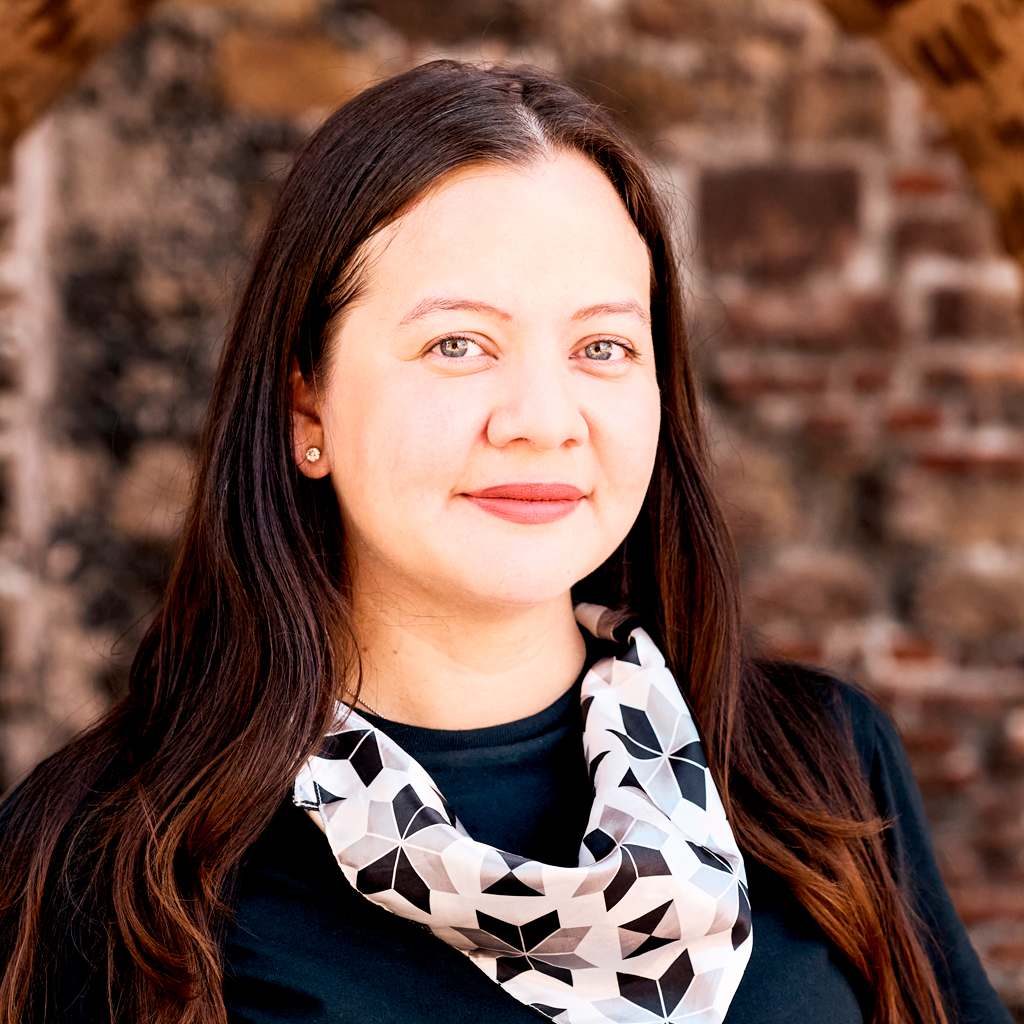
The pavilion was initially proposed by Ana Elizabeth González to the Venice Biennale. After being accepted and receiving a formal invitation, she invited Mónica Kupfer and Luz Bonadíes, to join her in the curatorial committee for the Panama Pavilion at the 2024 Venice Biennale.

Mónica Kupfer, Ph.D.
Curator and Director
Art and Culture Foundation of Panama
Ana Elizabeth González
Executive Director and Chief Curator
Panama Canal Museum
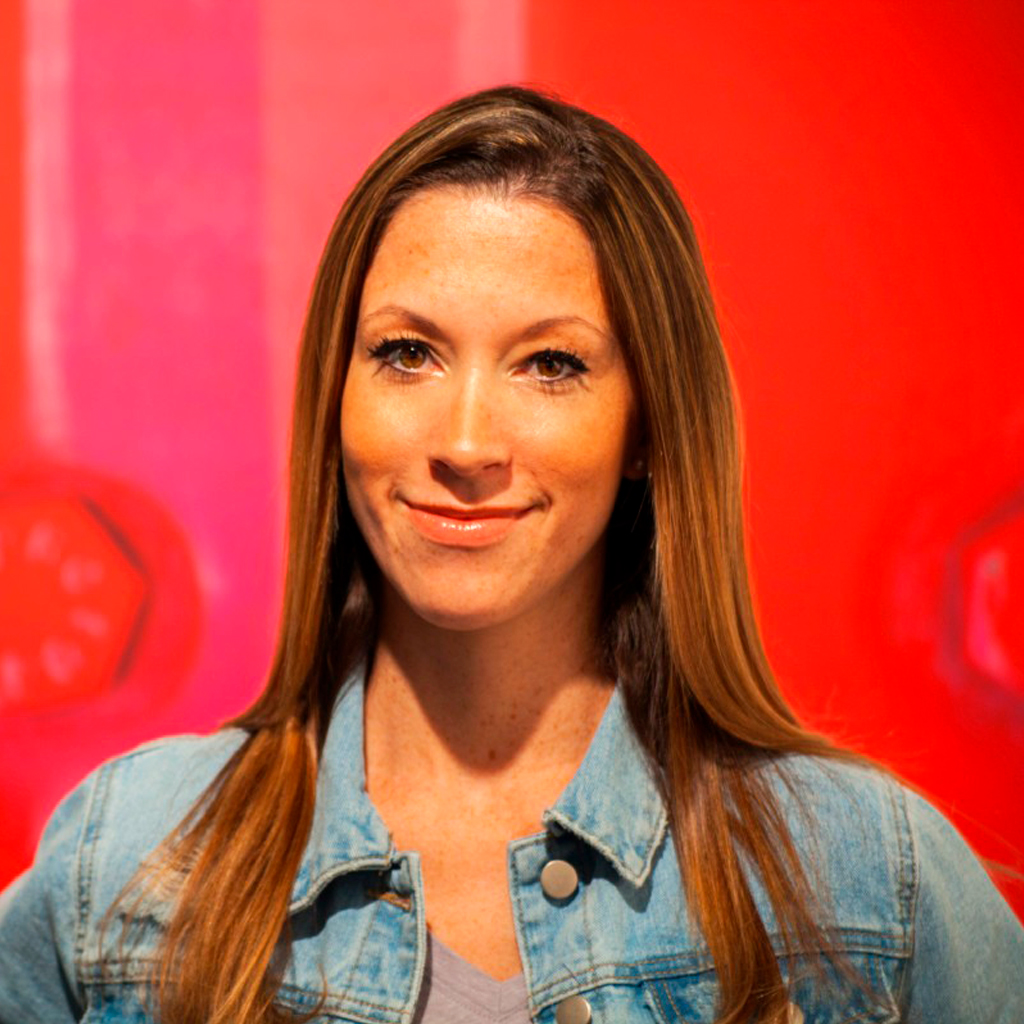
Luz Bonadies
Communications and Culture Manager
City of Knowledge Foundation Panama
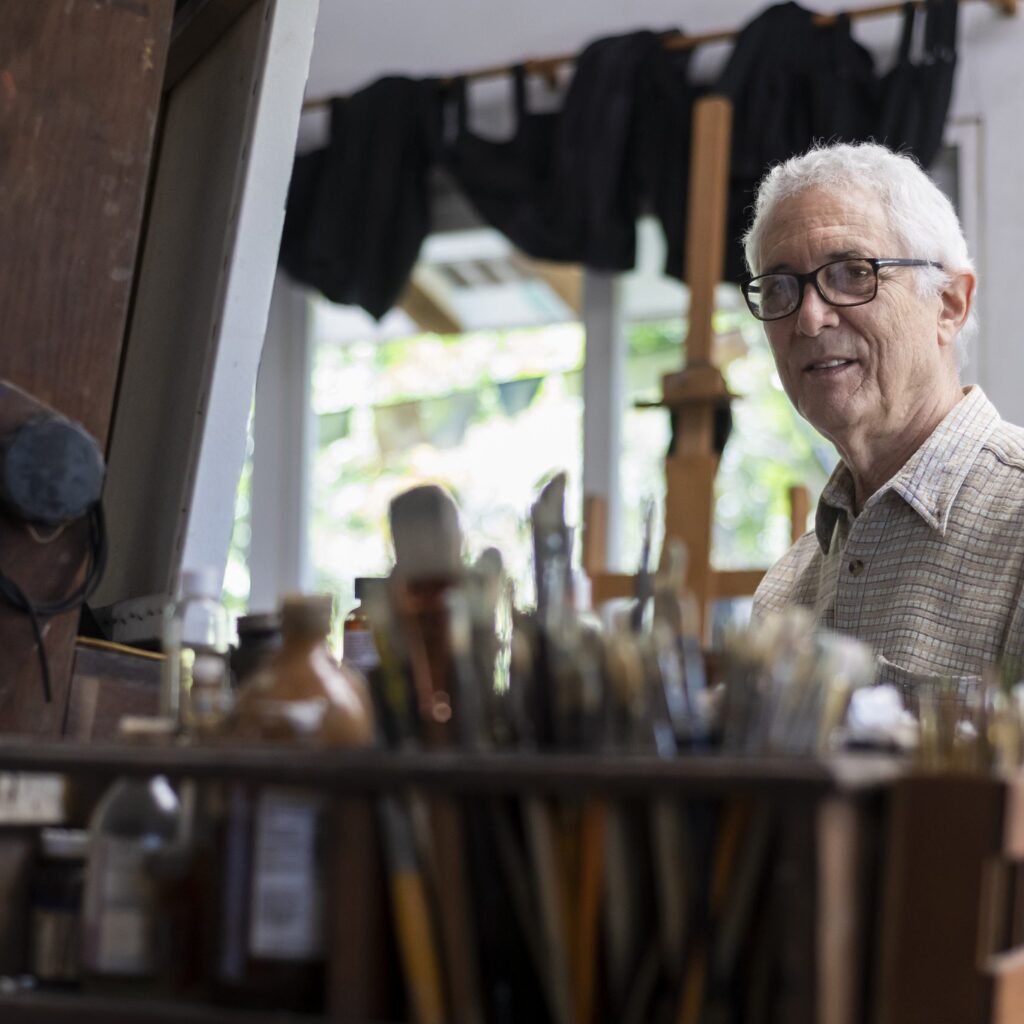
Our Artists

Brooke Alfaro
Panameño, 1957
Isabel De Obaldía
Panamanian born in Washington, D.C., 1957
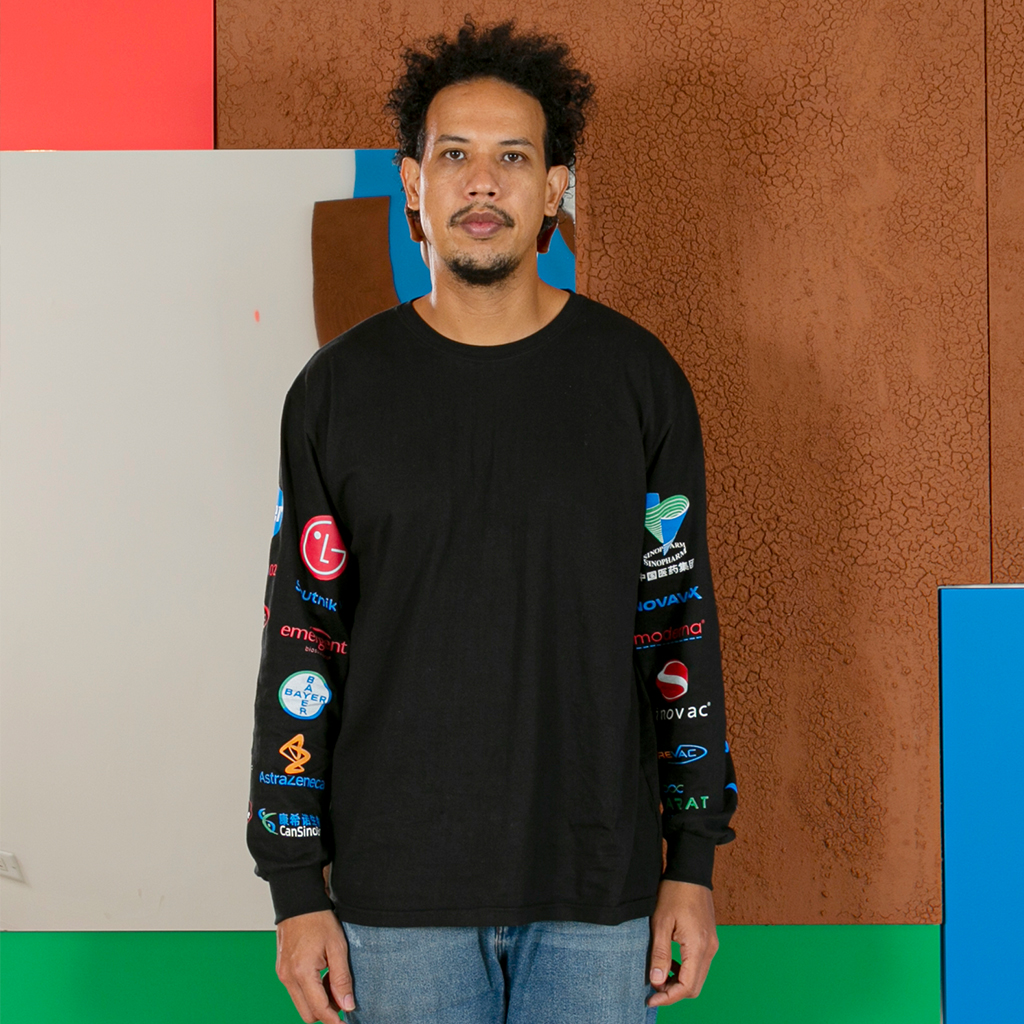
Cisco Merel
Panamanian, 1981
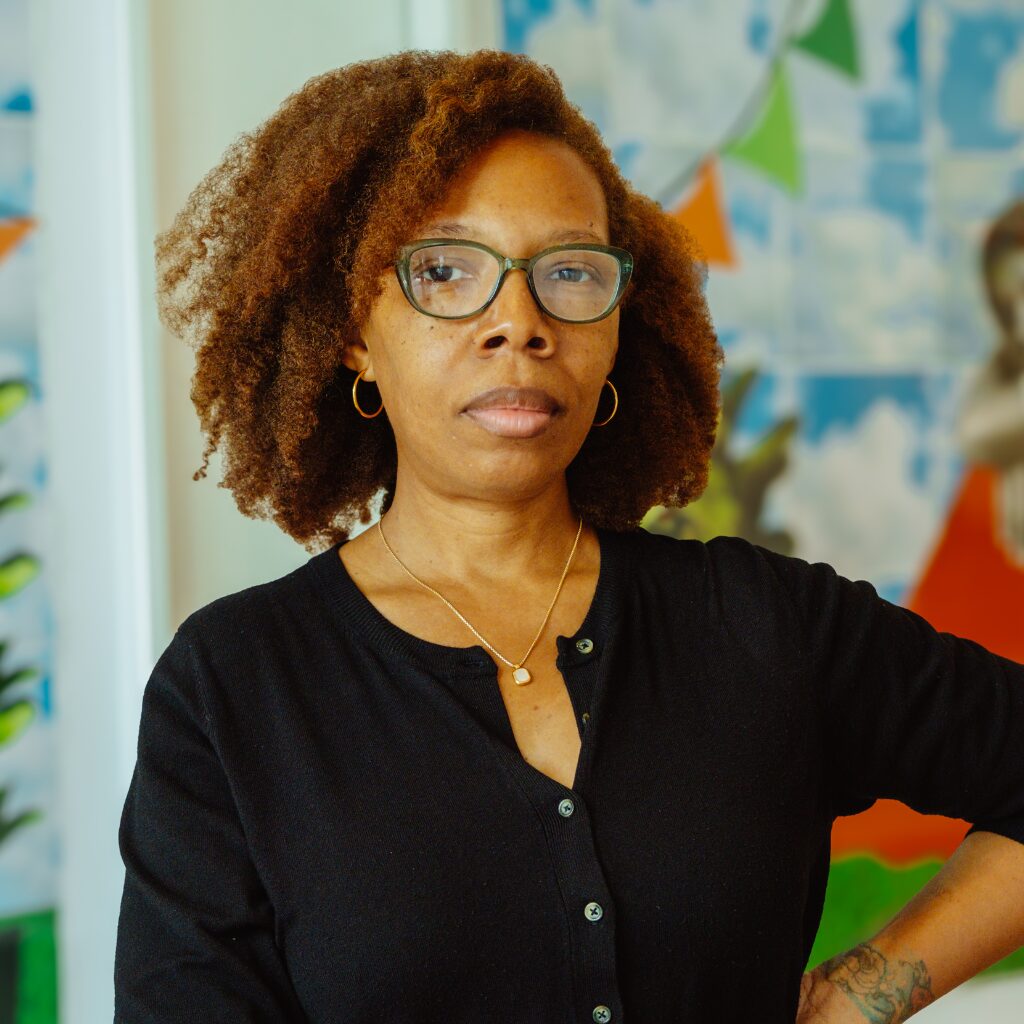
Giana De Dier
Panamanian, 1980

Team

Mariana Nuñez Haugland
Communication and Graphic Direction
Mirielle Robles
Exhibition team
Román Flórez
Exhibition team

Pavilion Location

Our Cause

El Pabellón Nacional de Panamá emerge como un eco profundo de las huellas perdurables que la migración deja en las personas y en su entorno. Bajo el título de “Surcos: En el cuerpo y en la tierra”, esta exposición refleja la crisis migratoria actual, con un enfoque particular en el contexto de Panamá. Por su posición geográfica que ofrece un puente entre continentes y un paso expedito entre dos océanos, Panamá siempre ha sido un lugar de tránsito, comercio y contacto cultural. Es un país moldeado por la llegada y el paso de personas desde la época precolombina, durante el periodo colonial y debido a la construcción y administración de su famoso canal interoceánico.  

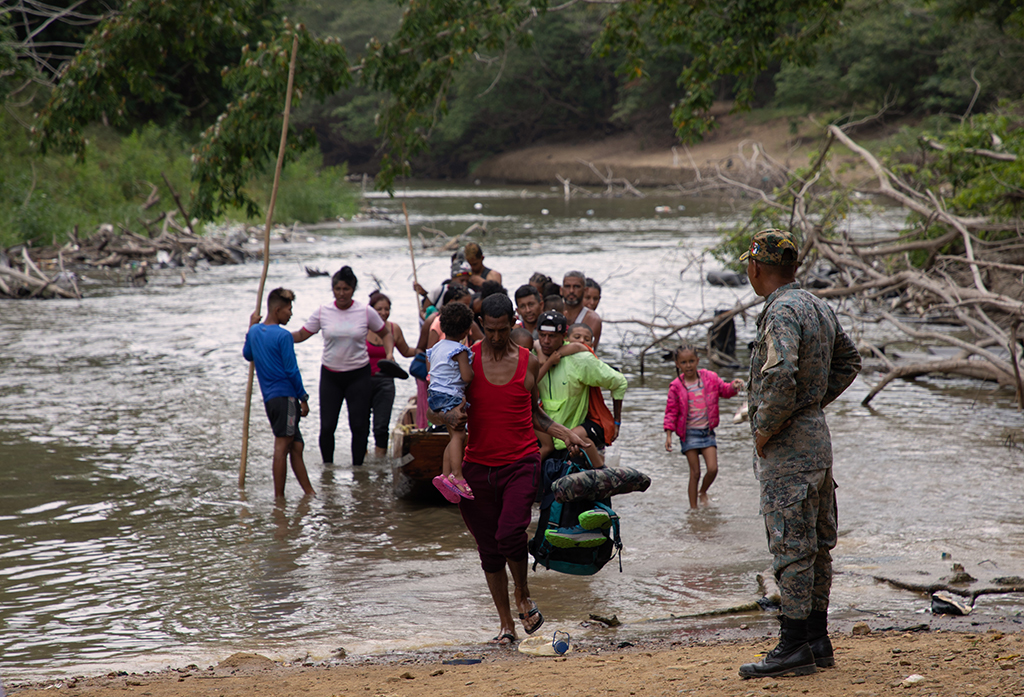
Panamá ha recibido la atención del mundo debido al enorme movimiento de refugiados y migrantes por la selva del Darién, la peligrosa jungla tropical de unos 26,000 km2 entre Colombia y Panamá.

El Darién es el único punto donde de la carretera Panamericana que conecta el continente se interrumpe. Cruzar el Darién es una travesía desgarradora – sin carreteras, infraestructuras ni servicios; sin seguridad ante la violencia, los peligros o abusos– por donde pasan refugiados y migrantes que se dirigen hacia el norte del continente. Solo en el año 2023, cruzaron el Darién más de 520,000 personas, 22% de ellos niños, huyendo situaciones de violencia y condiciones socioeconómicas adversas que los impulsan a cruzar por unas de las zonas más peligrosas del mundo.

Contact

Contact information

Press

Mercadeo | mercadeo@museodelcanal.com
+507 211-1649 ext. 309 | +507 66605816

Donations

Anna Elena González | annagonzalez@museodelcanal.com

Our social networks
Mónica Kupfer, ph.D.
Curator and Director
Art and Culture Foundation of Panama

Mónica Kupfer is an art historian, exhibition curator and art critic. She holds a Ph.D. in Art History with a focus on Latin American art. She was the first curator of the Museum of Contemporary Art of Panama and founding director of the Panama Art Biennial, an event held from 1992 to 2008. Since 1999, she has directed the Fundación Arte & Cultura, which promotes Panamanian art locally and internationally.

Kupfer has distinguished herself as an author and editor, as well as speaker and judge in contemporary art events.

Ana Elizabeth González
Executive Director and Chief Curator
Panama Canal Museum

Ana Elizabeth González has been the Executive Director and Chief Curator of the Panama Canal Museum since 2020. She holds bachelor's degrees in Archaeology and Business Administration, as well as master's degrees in International Cultural Relations and Curatorial Studies.

González previously worked as the Cultural Attaché of Panama in the U.K. and as Program Manager of the London Mithraeum Bloomberg SPACE contemporary art gallery and historical museum.She also served as Executive Director of the FAOU Foundation for Japanese artist Mariko Mori.

Luz Bonadies
Communications and Culture Manager
City of Knowledge Foundation Panama

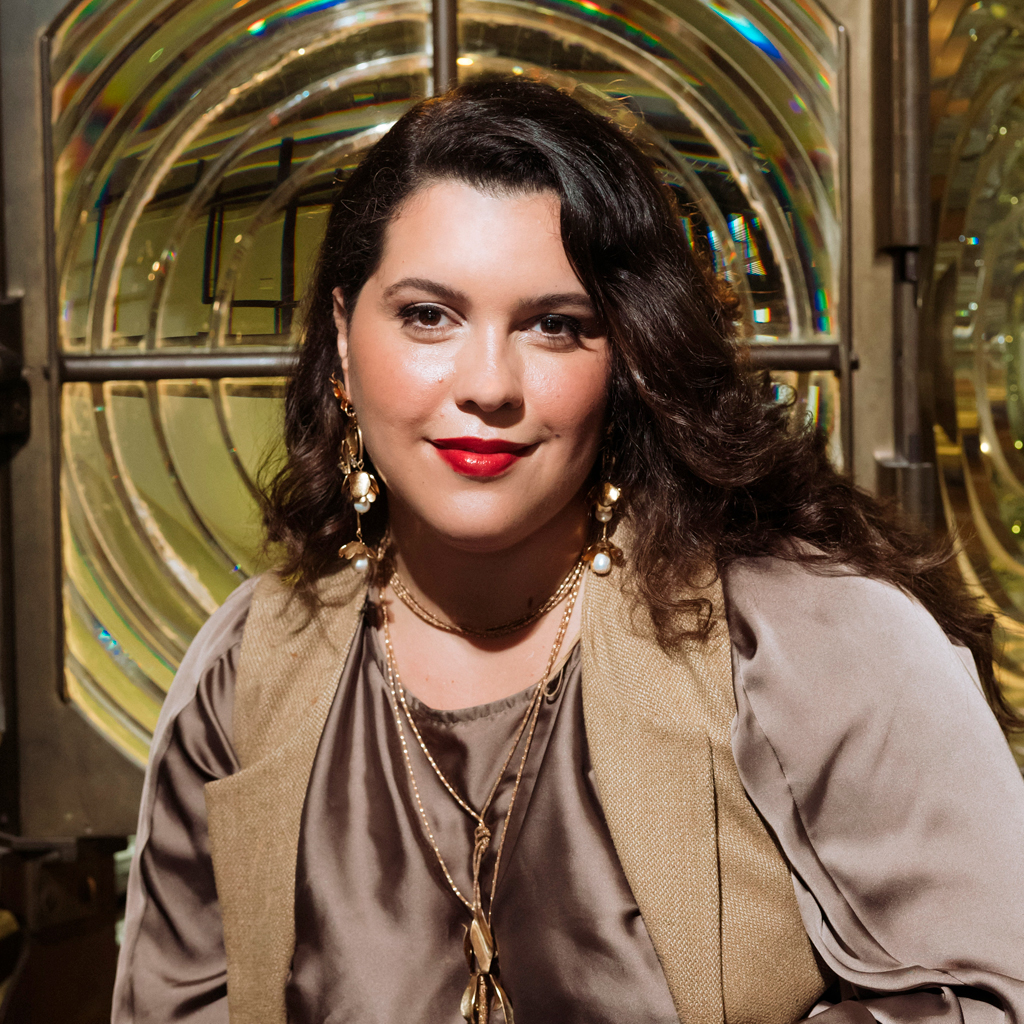
Luz Bonadies is the Communications and Marketing Manager of the City of Knowledge Foundation. From 2017 to 2020, she was the Executive Director of the Museum of Contemporary Art, where she led a radical transformation of the institution. She has studies in Journalism, Social Communication and Marketing, as well as specializations in Project Management and Design Thinking for Innovation.

She was Director of Magazines at Grupo Epasa and National Director of Publications at the National Institute of Culture. She has excelled as a specialist in projects related to sustainable development and cultural management.